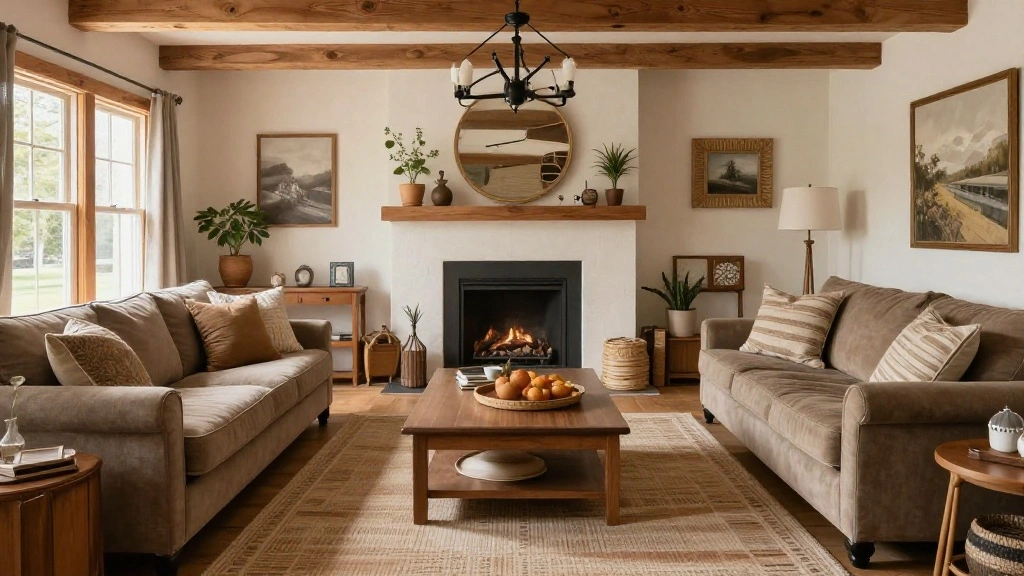
Are you struggling with how to make your open concept farmhouse living room feel cozy yet functional? You’re not alone! Many homeowners face the challenge of creating distinct areas in a spacious layout without compromising style or comfort. An open concept space can easily feel chaotic or disconnected if not arranged thoughtfully.
This guide will help you transform your living room into a welcoming and stylish area that reflects the charm of farmhouse design. You’ll learn how to create functional zones, choose the right furniture, and incorporate decorative elements that tie everything together. By the end of this guide, you will have a beautifully arranged living room that maximizes your space.
The process is beginner-friendly and can be completed in just 2-3 hours. Whether you’re starting from scratch or rearranging existing pieces, this guide will help you achieve the look you desire. Let’s get started!
TL;DR Summary
- Understand the importance of zoning in an open concept space.
- Gather essential materials and furniture for your living room.
- Follow step-by-step instructions to arrange furniture effectively.
- Learn tips to avoid common mistakes in furniture arrangement.
Recommended Products

Farmhouse Style for Spacious Rooms: This 8x10 washable area rug is designed to help anchor larger spaces such as living rooms, dining rooms, bedrooms, and home offices. The generous size works well under sofas, dining tables, beds, and seating areas, creating a warmer and more finished look for everyday family living

MACHINE WASHABLE RUG-The convenience of being able to easily clean your area rug in a washing machine is a considerable advantage. Especially for families with children and pets, simply toss it in the washer for a quick wash and dry it on the air-only setting
TL;DR Summary
Editor’s Choice

Traceease Furniture Layout Template Guide, House Furnishing Drafting Ste…


PADOOR 5X7 Area Rug,Rugs for Living Room,Soft Pink Rugs for Bedroom,Mach…

Wlrrcwdttc 4 Pcs Metal Adjustable Furniture Legs 4.72-7.87 inch, Adjusta…
Prerequisites/Materials Needed
- Furniture
- Sectional sofa – 1
- Coffee table – 1
- Accent chairs – 2
- TV stand – 1
- Bookshelves – 1 or 2
- Decorative items
- Rugs – 1
- Cushions – 4
- Wall art – 2-3 pieces
- Tools
- Tape measure – 1
- Pencil and paper for sketching – 1 set
Recommended Products

Boho Vintage Hallway Runner Rug: 2 x 6 ft Boho runners for hallways designed for an unique feel, , which is classic, gives a sense of elegance and add a touch of distinctive atmosphere to your room, suitable for hallway entryway indoor decor

【Modern Geometric Patchwork Rug】This geometric area rug seamlessly merges vintage charm with contemporary flair through its innovative geometric patchwork and bold color-contrasting design. These indoor runner rugs enrich your home with an artistic atmosphere while making a striking aesthetic statement in any room

【Modern Geometric Patchwork Rug】This geometric area rug seamlessly merges vintage charm with contemporary flair through its innovative geometric patchwork and bold color-contrasting design. These indoor runner rugs enrich your home with an artistic atmosphere while making a striking aesthetic statement in any room
Prerequisites/Materials Needed
Editor’s Choice

iBayam 2 Pack Tape Measure Measuring Tape for Body Fabric Sewing Tailor …

108” Modular Sectional Sofa, Cloud Sectional Couch with Deep Seat, Mod…
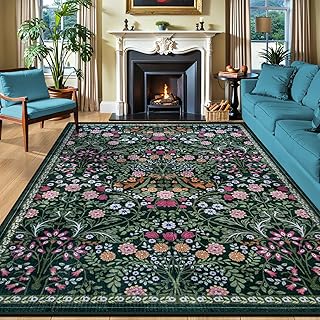
8×10 Area Rugs for Living Room: Floral Washable Rug Vintage Large Soft B…
Skill Level & Time Estimate
Skill Level: beginner
Total time estimate: 2-3 hours to complete the entire arrangement process.
Recommended Products

PACKAGE INCLUDES: 4 pcs 20x20 inch pillow covers (NO INSERT). Color may be different in different light or on different screen.

【Package & Material】 Pack of 2. 20" x 20"(50cm*50cm). Please allow 1~2cm deviation because of hand-cutting and sewing.100% Linen. COVER ONLY. Pillow Inserts are not include

PACKAGE INCLUDES: 4 pcs 20x20 inch pillow covers (NO INSERT). Cream, Light Brown, Light Grey, Grey
Skill Level & Time Estimate
Editor’s Choice

Amazon Basics Self-Locking Tape Measure with Belt Clip, 16-Feet (5-Meter…

The Art of Home: A Designer Guide to Creating an Elevated Yet Approachab…
Step 1: Measure Your Space
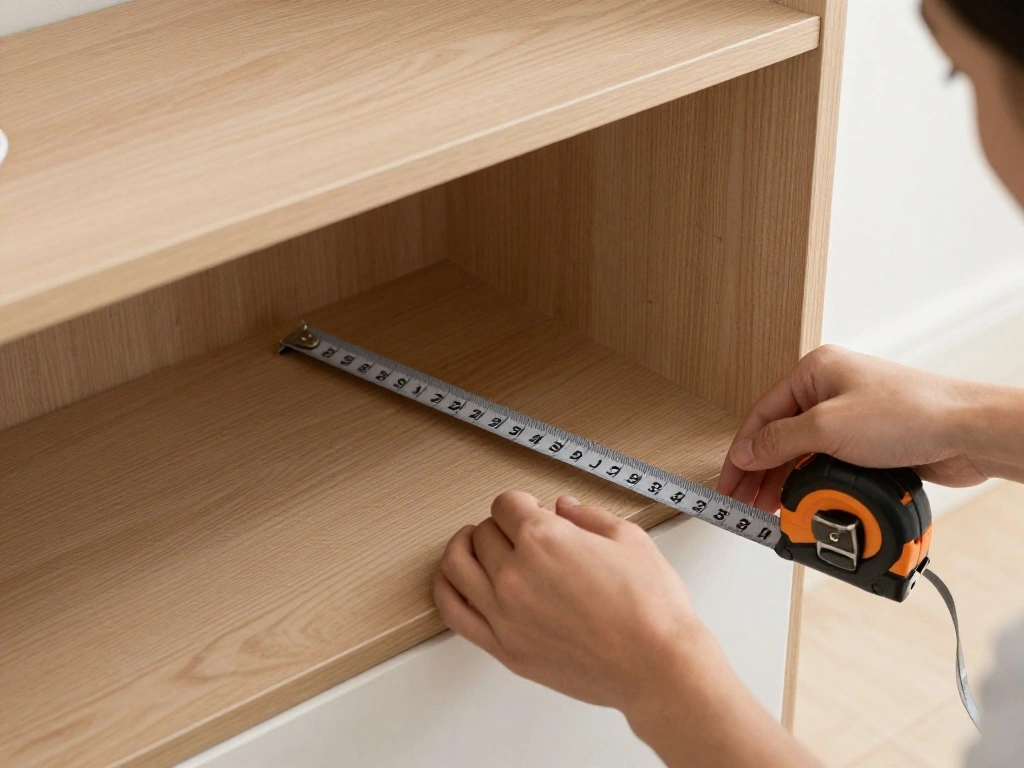
Start by measuring the dimensions of your living room. Knowing the exact measurements helps you visualize how the furniture will fit in the space.
- Use a tape measure to measure the length and width of the room.
- Note the locations of doors, windows, and any built-in features like fireplaces.
- Draw a simple floor plan on paper to represent the layout.
Pro Tip: Keep the measurements handy as they will guide your furniture selection later.
Why this matters: Accurate measurements prevent overcrowding and help maintain a balanced look.
Time estimate for this step: 30 minutes.
Recommended Products

3 Pc Architect Drawing And Interior Design Template Set (Scale: 1/4 Inch = 1 Ft): House Plan Template, Furniture Template, And Kitchen, Bed & Bath Template

Premium Quality : Made From Flexible, Yet Sturdy Material. Resilient and Convenient to Use

Mr. Pen house plan template is expertly designed for architects, builders, and contractors, offering unparalleled accuracy at a scale of 1/4 inch to 1 foot.
Step 1: Measure Your Space
Editor’s Choice

Zaviko Graph Paper Pad 8.5 x 11, 2 Pack, 4×4 Graph Ruled, Grid Paper Pad…
Amazon Basics Self-Locking Tape Measure with Belt Clip, 16-Feet (5-Meter…
![Sweet Home 3D [PC Download]](https://m.media-amazon.com/images/I/81mqySxP8uL._AC_UY218_.png)
Step 2: Define Zones
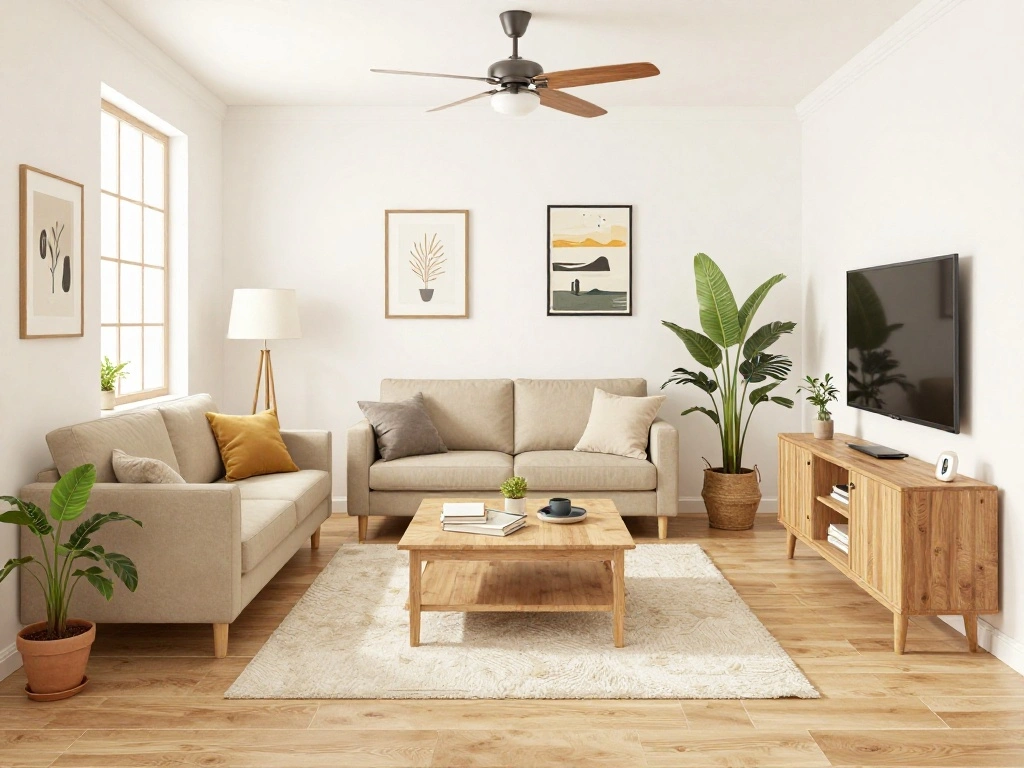
Identifying distinct zones within your living room is crucial for functionality. This step involves deciding how you want to use the space.
- Sketch out areas for seating, entertainment, and reading.
- Consider traffic flow and keep pathways clear between zones.
- Visualize how each zone will interact with the others.
Pro Tip: Use rugs to delineate different zones visually.
Why this matters: Clearly defined zones create a cohesive and inviting atmosphere.
Time estimate for this step: 30 minutes.
Recommended Products

Raised 3D Floral Cutout Design – Each piece features raised wooden floral cutouts that add texture and depth, setting your new decor apart from the usual prints and pictures. Designed with carefully selected earthy colors that are easy to style in multiple arrangements.

Charming Cottagecore Floral Art: This beautiful set of 3 wood framed wall art prints features delicate cottagecore floral illustrations displayed against a warm gingham background. Soft wildflowers, botanical stems, and vintage-inspired flower designs create a cozy country garden aesthetic, bringing farmhouse charm and timeless elegance to your home decor.

Modern Wall Decor: Enhance your space with this contemporary wood wall decor piece that effortlessly complements any decor style.
Step 2: Define Zones
Editor’s Choice


Room Divider 6FT Portable Room Dividers and Folding Privacy Screens, 88’…

RUGSREAL 8×10 Area Rug Washable Large Living Room Rug Non Slip Farmhouse…
Step 3: Choose Your Furniture
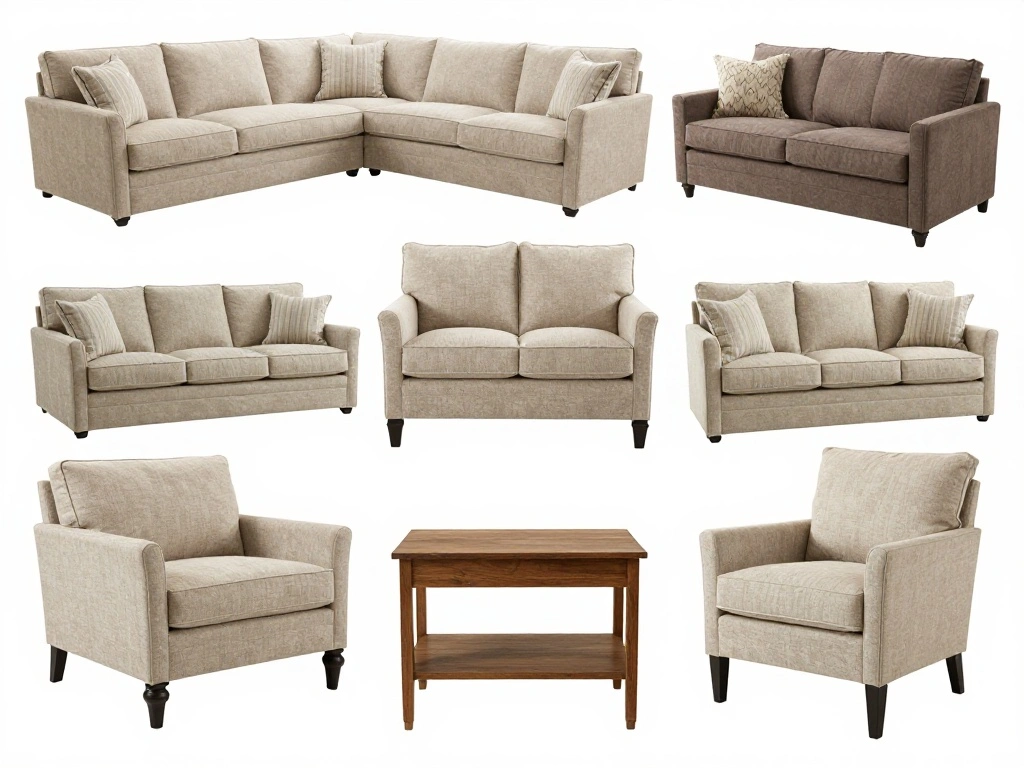
Selecting the right furniture is pivotal. Keep in mind the style and functionality that fits your farmhouse aesthetic.
- Choose a sectional or sofa that suits the size of your space.
- Pick accent chairs that complement the main seating.
- Consider a coffee table that suits your activities, like board games or drinks.
Pro Tip: Opt for multi-functional furniture like ottomans with storage.
Why this matters: The right furniture not only enhances comfort but also contributes to the room’s overall style.
Time estimate for this step: 30-45 minutes.
Step 3: Choose Your Furniture
Editor’s Choice

Farmhouse Loveseat with Rolled Arms,Stripe Modern Sofa with Brushed Wood…

HIGOGOGO Round Stuffed Pouf Ottoman, Corduroy Poufs with Foam Chunk Fill…

Karl home Accent Chair Mid-Century Modern Chair with Pillow Linen Fabric…
Step 4: Arrange the Main Seating Area
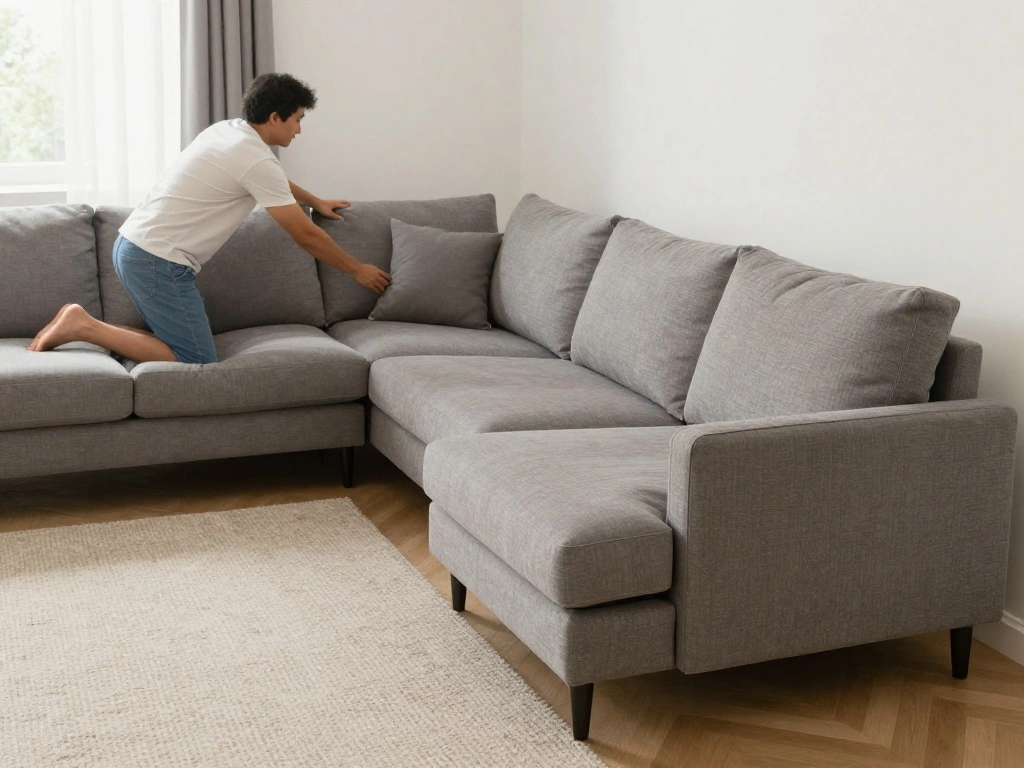
Now it’s time to arrange your main seating area, which is the focal point of your living room.
- Position the sectional or sofa facing the focal point, like a TV or fireplace.
- Place accent chairs adjacent to the sofa, angled for conversation.
- Ensure there’s enough space to walk between furniture (at least 18 inches).
Warning: Avoid pushing furniture against walls; it can make the space feel disconnected.
Why this matters: A well-arranged seating area encourages interaction and comfort.
Time estimate for this step: 30 minutes.
Recommended Products

Machine Washable: 2.6x8 hallway runner rug is crafted from high-quality materials that are completely machine washable, making maintenance a breeze; Say goodbye to stubborn stains and odors, and enjoy a fresh, clean entrance rug effortlessly, ensuring your home stays inviting and well-kept without the hassle

【Modern Geometric Patchwork Rug】This geometric area rug seamlessly merges vintage charm with contemporary flair through its innovative geometric patchwork and bold color-contrasting design. These indoor runner rugs enrich your home with an artistic atmosphere while making a striking aesthetic statement in any room

New Material Rugs: Our modern minimalist pure cotton rug has the characteristics of ultra soft, skin friendly, and short hair that does not fall off. Kids and pets can use it with peace of mind
Step 5: Add Furniture for Entertainment and Storage
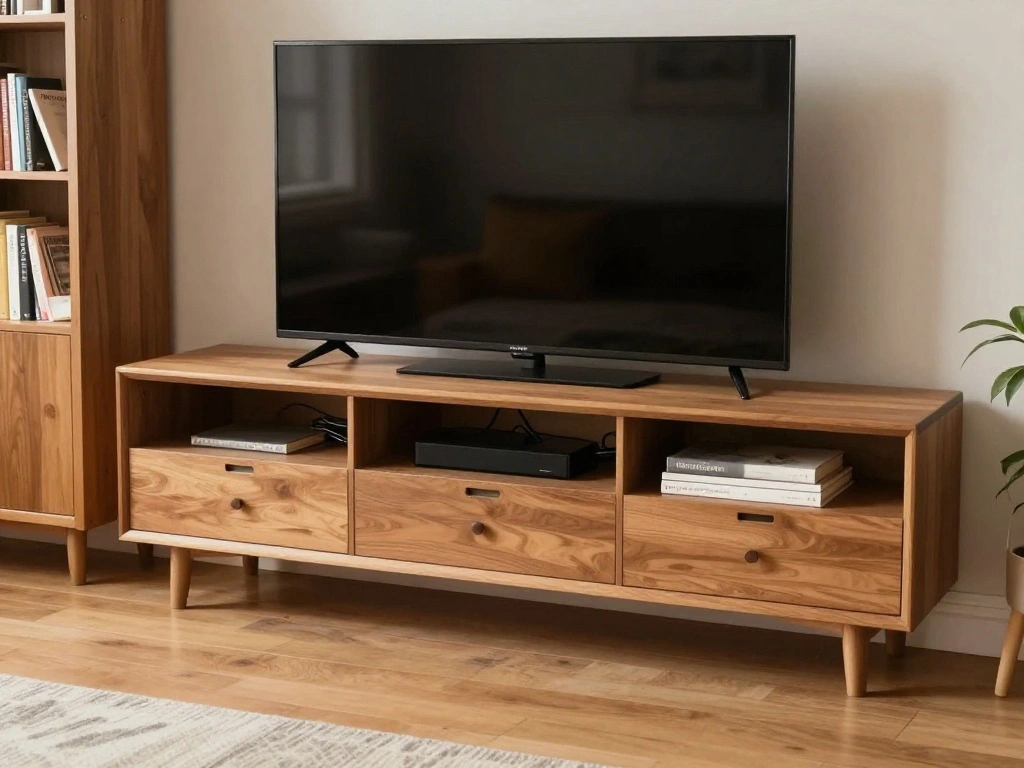
Incorporating entertainment and storage pieces enhances functionality in your living room.
- Position the TV stand across from the main seating area for optimal viewing.
- Add bookshelves or cabinets to the sides of the TV stand for storage.
- Ensure all cables and wires are neatly organized to avoid clutter.
Pro Tip: Use built-in storage solutions to maximize space efficiency.
Why this matters: Proper entertainment and storage arrangements keep the room organized and visually appealing.
Time estimate for this step: 30 minutes.
Recommended Products

Spacious Modular Design for Modern Living:Designed for cozy movie nights, casual family gatherings, and everyday lounging, this plush modular sectional sofa easily transforms into multiple layouts to fit your lifestyle. Whether used as an L-shaped setup, open sectional couch, or oversized lounge configuration, it creates a relaxed and inviting atmosphere for modern living rooms and open spaces.

PACKAGE INCLUDES: 2 pcs pillow covers (NO INSERT). Perfectly fit for the same size pillow insert. Please notice the color varies under different light conditions

PACKAGE INCLUDES: 2 pcs pillow covers (NO INSERT). Perfectly fit for the same size pillow insert. Please notice the color varies under different light conditions
Step 5: Add Furniture for Entertainment and Sto…
Editor’s Choice

Casaottima TV Stand for 65 Inch TV, Farmhouse Entertainment Center with …

D-Line Cable Management Box, Power Strip Holder, Floor Outlet Hiders, De…

FACBOTALL 82″ Tall Bookshelf, 7-Tier Open Shelves Bookcase, Freestanding…
Step 6: Add Decorative Touches
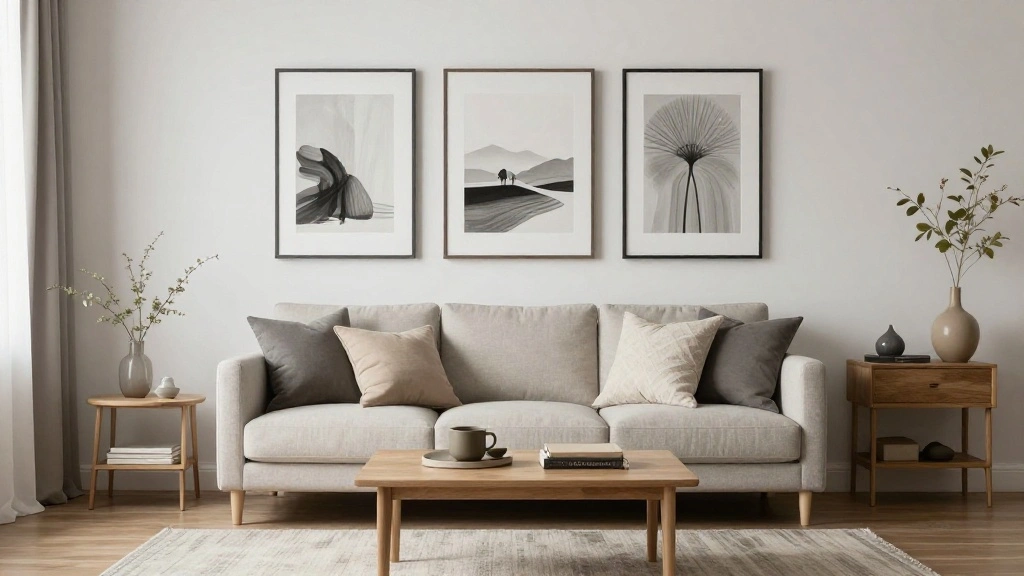
Finishing your space with decorative elements ties everything together and adds personality.
- Add a large area rug to anchor the seating area.
- Incorporate cushions and throws for added comfort.
- Hang wall art or mirrors to enhance the farmhouse aesthetic.
Pro Tip: Use plants to bring a touch of nature indoors.
Why this matters: Decorative touches personalize your space and create an inviting atmosphere.
Time estimate for this step: 30-45 minutes.
Recommended Products

【3 Pcs Interior Design Template Set】: House Plan Template, Furniture Template, And Kitchen, Bed and Bath Template. Scale: 1/4 Inch = 1 Ft. Offers several kinds of templates for house plan, furniture, interior design and landscape.

Mr. Pen house plan template is expertly designed for architects, builders, and contractors, offering unparalleled accuracy at a scale of 1/4 inch to 1 foot.

Mr. Pen house plan template is expertly designed for architects, builders, and contractors, offering unparalleled accuracy at a scale of 1/4 inch to 1 foot.
Pro Tips
- Layer Textures: Use a variety of materials like wood, metal, and fabric to create depth.
- Balance Scale: Mix large furniture with smaller pieces for visual interest.
- Incorporate Lighting: Use different light sources, including lamps and natural light, for warmth.
- Use Color Wisely: Stick to a cohesive color palette to maintain harmony.
- Think About Functionality: Ensure that furniture placement allows for easy movement and access.
Recommended Products

[Unique Exposed Moving Gears] Industrial decor inspired, when you put 3 AA batteries in, various exposed aged gold cog start rotating, definitely an eye-catching wall décor gears clock for your home, surely capture anyone's attention

Provides visual reinforcement to strengthen alphabet recognition and letter sounds skills

Leaves of Meaning – Thoughtful wall art featuring 4 leaves each carrying a special message for your space. Monstera, Laurel, Olive and Fern are chosen for their symbolism & meaning rooted in nature, folklore and generations of wisdom.
Pro Tips
Editor’s Choice

Soalmost Washable Area Rug 8×10, Large Soft Rugs for Living Room Vintage…

PACOVY Floor Lamp, Adjustable Height Floor Lamps for Living Room Bedroom…

MIULEE Pack of 2 Decorative Throw Pillow Covers 18×18 Inch Soft Boho Str…
Common Mistakes to Avoid
Warning: Avoid overcrowding the space with too much furniture; it can feel cramped. To fix this, remove or reposition unnecessary pieces.
Warning: Don’t ignore scale; oversized furniture can dominate a small room. Measure before purchasing.
Warning: Failing to define zones can lead to a chaotic look. Use rugs or furniture placement to create divisions.
Common Mistakes to Avoid
Editor’s Choice


WORKPRO 25FT Pink Tape Measure, Dual Lock Tape Measure with Fractions Ev…

5×7 Area Rugs Living Room Rug: Washable Vintage Boho Rug No Slip Stain R…
Troubleshooting Section
Problem: The room feels cramped after arranging furniture.
Solution: Reassess the layout and remove any non-essential pieces to create more space.
Problem: Furniture feels disconnected.
Solution: Arrange pieces closer together and use rugs to define zones.
Problem: Light feels inadequate.
Solution: Incorporate additional lamps or mirrors to enhance brightness.
Troubleshooting Section
Editor’s Choice

Farmhouse Lantern Table Lamps for Living Room Set of 2, Vintage Bedroom …

RELEANY Washable Area Rugs 5’x7′ Non-Slip Modern Abstract Soft for Livin…

AAZZKANG Wall Mirror with Wood Framed Rustic Mirrors for Wall Rectangle …
Variations/Alternative Methods
Consider these alternatives based on your needs:
- Minimalist Approach: Use fewer pieces for a clean, open feel. Best for small spaces but may lack warmth.
- Bold Colors: Choose colorful furniture for a vibrant look. Suitable for adding personality but may clash with farmhouse style.
- Flexible Furniture: Use movable pieces for adaptability. Ideal for multifunctional spaces but requires more planning.
Variations/Alternative Methods
Editor’s Choice

Rolanstar Coffee Table Lift Top, Multi-Function Convertible Coffee Table…

Preboun 8 Pcs 18 x 18 Inch Fresh Colors Decorative Throw Pillow Covers, …

Korser 110″ L-Shaped Modular Sectional Sofa with Chaise, Boneless Comfy …
FAQs
- What if I don’t have a large sofa? Use a loveseat or a couple of chairs instead to create a cozy seating area.
- How long should I wait to rearrange again? Consider rearranging every year or when you feel the space needs a refresh.
- Is it safe to use heavy furniture on carpet? Yes, just ensure it’s stable and won’t tip over.
- How do I maintain the farmhouse look? Stick to natural materials and muted colors for furniture and decor.
- What if I feel overwhelmed by the process? Take your time. Break it down into smaller tasks and tackle them one at a time.
FAQs
Editor’s Choice

Woman Rose Metal Wall Decor – Elegant Farmhouse Room Decor Wall Art Home…

YIHOUSE Burnt Orange Scalloped Bedroom Rugs 5×7, Non-Slip Washable Farmh…

Dusty Rose Pink Throw Pillow Covers 12×20 Inch Set of 2 – Christian Gi…
Conclusion
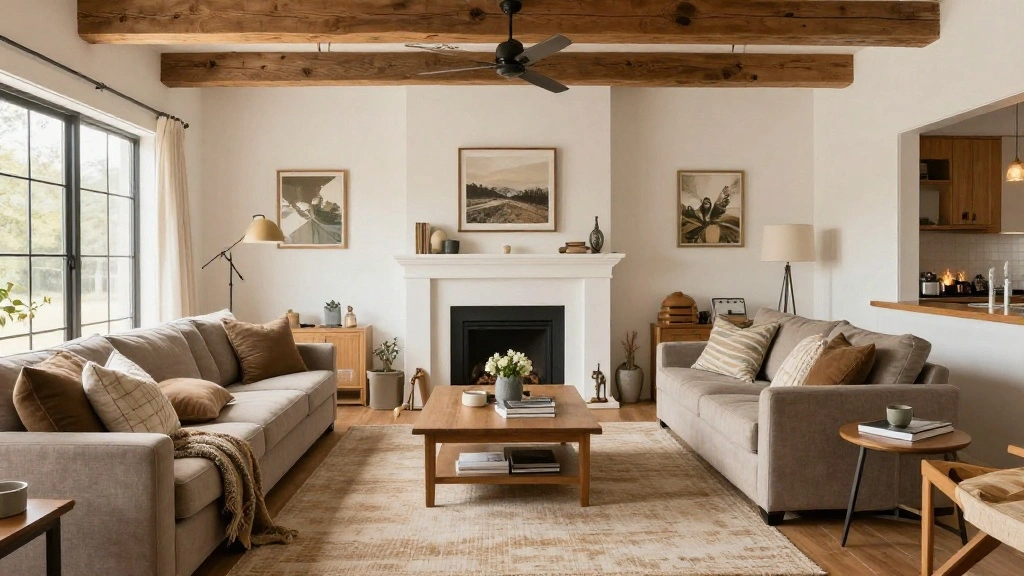
Congratulations! You’ve successfully arranged your open concept farmhouse living room. By following this guide, you’ve transformed your space into a functional and inviting area that reflects your style.
Now that your living room is complete, consider enhancing other areas of your home or adding more farmhouse decor. Share your new space with friends and family, and enjoy the comfort and charm you’ve created!