
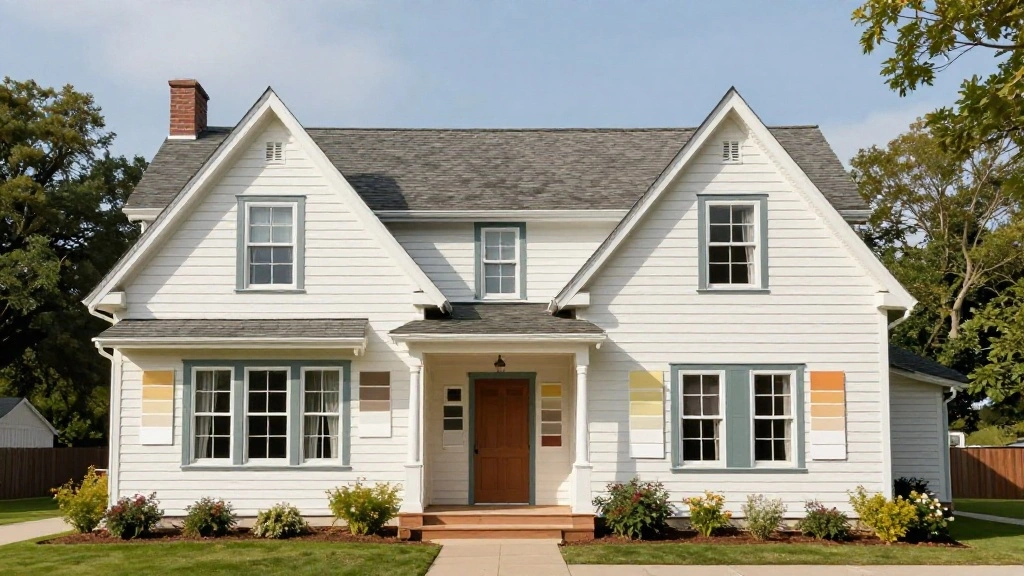
Choosing the right exterior paint colors for your farmhouse home can feel overwhelming. With countless shades and combinations available, it’s easy to feel lost in the sea of options. The urgency arises from the fact that the right color can significantly enhance your home’s curb appeal and overall value. You don’t want to make a hasty decision that you might regret later!
This guide will help you confidently select exterior paint colors that reflect your personal style while complementing the farmhouse aesthetic. By the end, you will have a well-thought-out color scheme tailored to your home, ready to impress your neighbors and guests.
You will learn about essential factors like the architectural style of your farmhouse, the surrounding environment, and color theory basics. Plus, you’ll discover practical steps to finalize your color choices with ease. Difficulty Level: beginner
Time Estimate: 2-3 hours
Let’s embark on this exciting journey of transforming your farmhouse into a beautiful reflection of your personality!
TL;DR Summary
– Choose colors that complement your farmhouse’s architecture and surroundings.
– Test colors on your home to see how they look in different lighting.
– Consider using a limited color palette for a cohesive look.
– Don’t forget to pay attention to details like trim and shutters.
Recommended Products

Includes 30 featured and newest released color card. Sprayed on color to see our colors in your homes lighting for more accurate color choices.

Includes 30 featured and newest released color card. Sprayed on color to see our colors in your homes lighting for more accurate color choices.

Includes 30 featured and newest released color card. Sprayed on color to see our colors in your homes lighting for more accurate color choices.
TL;DR Summary
Editor’s Choice

Expesumas 6 Pcs Glue Applicator Bottles, 30ml Plastic Squeezable Dropper…


Sherwin Williams Colors collection Deck Complete Paint Colors

EVOLVE Ranch Guard Black, 5 Gallon, Semi-Gloss Exterior Paint – UV-Res…
Prerequisites/Materials Needed
- Color samples (paint swatches or small sample cans)
- Paintbrushes for testing (at least 2-3 different sizes)
- Small paint roller
- Paint tray
- Drop cloths to protect surfaces
- Step ladder (if needed)
- Exterior paint (after decision is made)
Recommended Products

Works on virtually any surface including wood, plastic, metal, fiberglass, concrete, wicker, vinyl and more

CONVENIENT SIZE - This Apple Barrel Acrylic Paint comes in a versatile 8 oz size that is great for basecoating, stenciling, and so much more

Use for a variety of indoor and outdoor project surfaces including wood, metal, plaster, masonry or unglazed ceramic
Prerequisites/Materials Needed
Editor’s Choice

XinSunho 4 Step Ladder, Foldable Handrail & Tool Tray Stool Ladders with…

Sherwin Williams Colors collection Deck Complete Paint Colors
Skill Level & Time Estimate
Skill Level: beginner
Total time estimate: 2-3 hours
Breakdown:
– Research and color selection: 1 hour
– Testing colors on the house: 1-2 hours
Recommended Products

Ready to use, pre-mixed door and trim paint offers a fresh new look on interior or exterior metal, wood and fiberglass

Ready to use, pre-mixed door and trim paint offers a fresh new look on interior or exterior metal, wood and fiberglass

Ready to use, pre-mixed door and trim paint offers a fresh new look on interior or exterior metal, wood and fiberglass
Skill Level & Time Estimate
Editor’s Choice

The Color Wheel Company Interior Design Wheel interior design color whee…
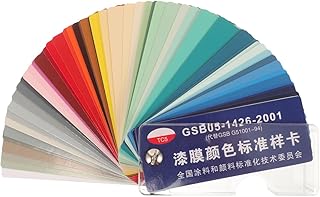
ifundom 1set Paint Sample Cards Color Standard for Accurate Color Matchi…

Bates- Paint Roller Kit, 19 pcs, Roller Set with Microfiber Sleeves & Fr…
Step 1: Research Your Farmhouse Style

Understanding the architectural style of your farmhouse is crucial in selecting the right paint colors. Follow these steps:
- Identify the architectural style (e.g., Colonial, Victorian, Modern).
- Research color palettes that historically complement that style.
- Look at neighboring homes for inspiration.
Pro Tip: Take notes on colors that stand out to you and consider how they blend with your farmhouse’s features.
Why this matters: The right colors can enhance the architectural details of your farmhouse, making it more visually appealing.
Time estimate for this step: 30 minutes.
Recommended Products

OUTDOOR RESTORER: Penetrates deep to restore faded & weathered outdoor surfaces.
Install Vinyl Shutters Quick & Easy. Use Our Fasteners which are build to hold your shutters even during the most severe windstorms.

Bulk Pack Advantage: Our package includes a generous quantity of 18 vinyl shutter fasteners ensuring you won't run out in the middle of your project. These fasteners can be applied for installing any type of vinyl shutter on a variety of siding materials such as wood, aluminum, vinyl, stucco, brick, masonry, or cardboard
Step 1: Research Your Farmhouse Style
Editor’s Choice

The Color Wheel Company Interior Design Wheel interior design color whee…

FoamPRO 120 Color Tester Sample Board – Paint Sample Boards for Comparin…
Step 2: Consider Your Surroundings
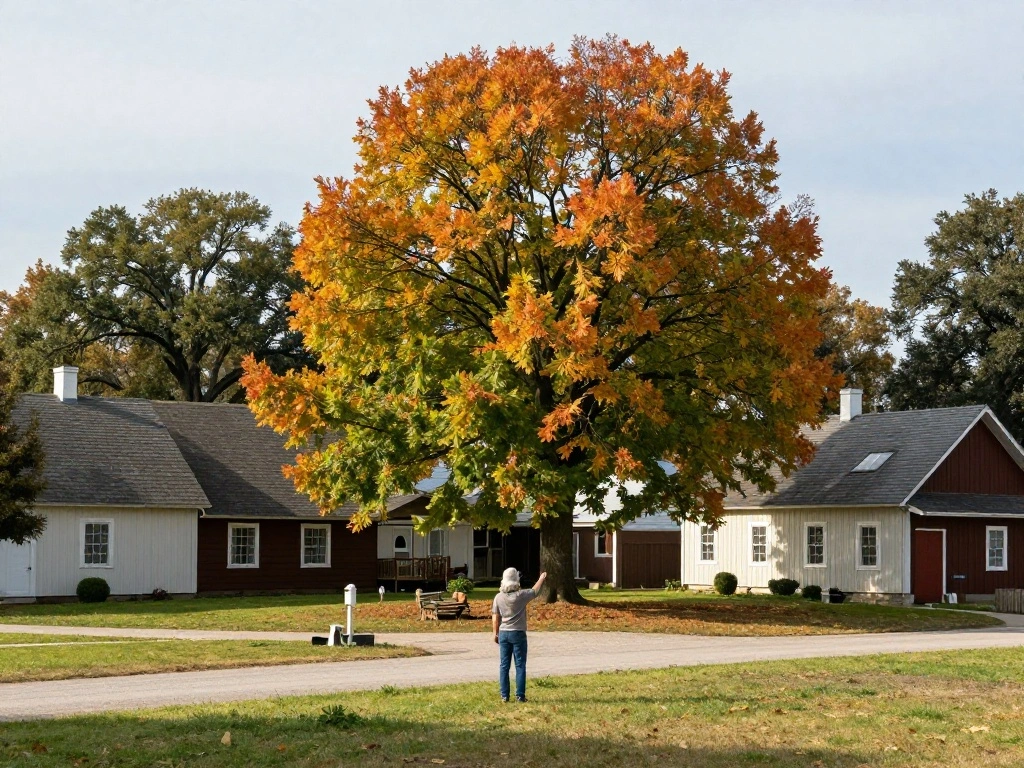
The environment around your farmhouse greatly influences the choice of colors. Follow these steps:
- Observe the natural landscape (trees, flowers, and hills).
- Take note of the colors present in nearby homes.
- Consider the local climate and how it affects color visibility.
Pro Tip: Use colors that harmonize with the landscape to create a cohesive look.
Why this matters: Choosing colors that blend with the surroundings can enhance your home’s charm and appeal.
Time estimate for this step: 30 minutes.
Recommended Products
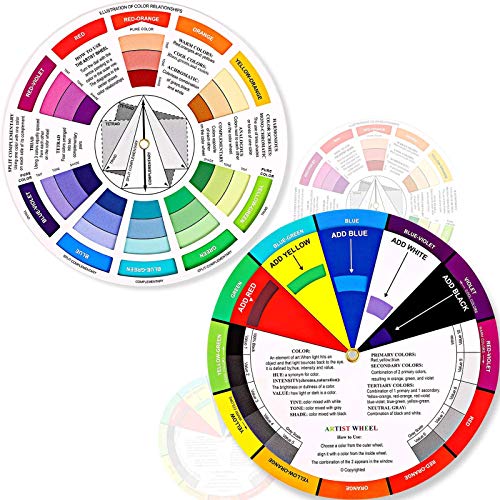
Package include: 2 creative color wheel, 5.5 inch in diameter, the artist wheel helps show which colors are complimentary, and how they go (or don't go) together, suitable for learning how to color; Two identical color wheels, with different designs on the front and back

Accurate Paint Thickness Measurement: Quickly and precisely check your car’s paint thickness to detect any previous repairs or repainting, helping you make informed decisions when buying used vehicles.

Package include: 2 creative color wheel, 9.05 inch/ 23 cm in diameter, the artist wheel helps show which colors are complimentary, and how they go (or don't go) together, great for learning how to color
Step 2: Consider Your Surroundings
Editor’s Choice

COLOR MUSE Colorimeter – Mobile Color Matching Tool – Instantly identify…
DecoArt ACRYLIC PATIO PAINT FAN FAVORITES SAMPLER SET, Assortment, 2 Fl …
Step 3: Experiment with Color Samples
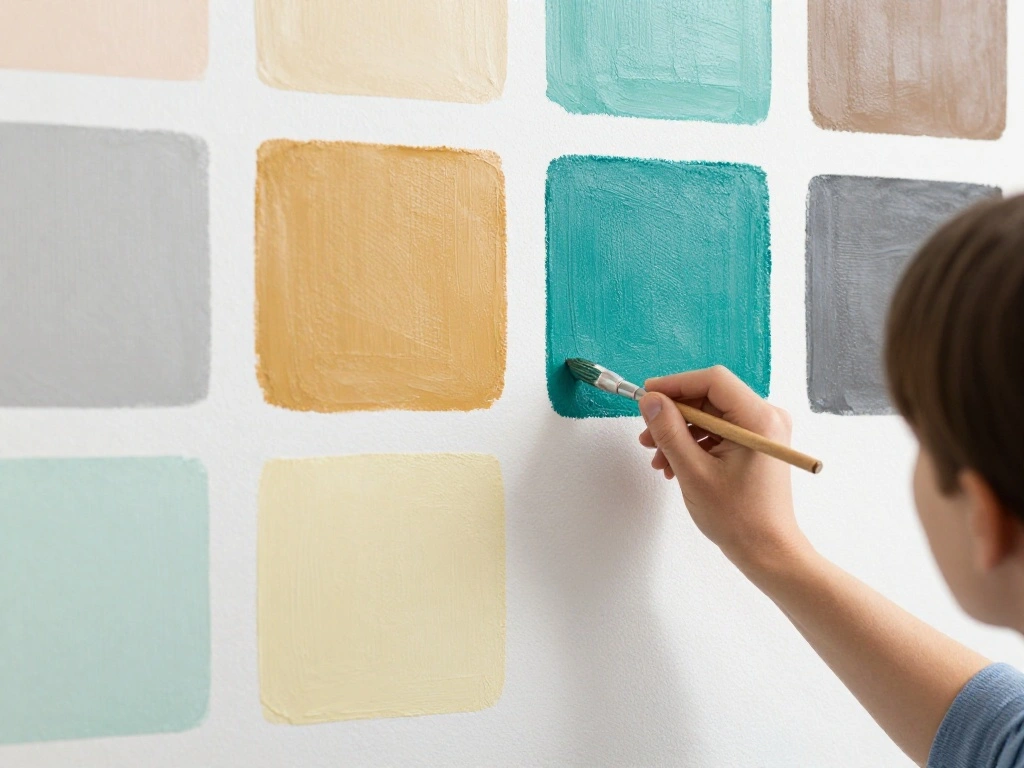
Testing colors on your farmhouse is the best way to see how they look in real lighting. Do the following:
- Purchase small sample cans of your top color choices.
- Use a brush to apply paint samples on different areas of your home.
- Observe the colors throughout the day as lighting changes.
Warning: Avoid applying paint in direct sunlight, as it can alter the appearance of the color.
Why this matters: Colors can look different on the paint chip compared to the actual surface, so testing ensures you make the right choice.
Time estimate for this step: 1 hour.
Recommended Products

ALL-IN-1 PAINT & PRIMER: A hardy multi-purpose and multi-surface one-coat paint and primer in one for almost any indoor or outdoor surface. A wall, ceiling, floor, skirting board, cabinet, furniture and door paint for your bathroom, kitchen, home and garden.

Highly durable satin finish

Ready-mixed paint, available in light gray, dark gray and brown
Step 3: Experiment with Color Samples
Editor’s Choice

Master Elite Small 1/4 Pint Unlined Empty Metal Paint Can Bucket with Li…

60 Pcs Paint Brushes,Round Flat Small Brush Bulk for Detail Painting
Step 4: Choose a Color Palette
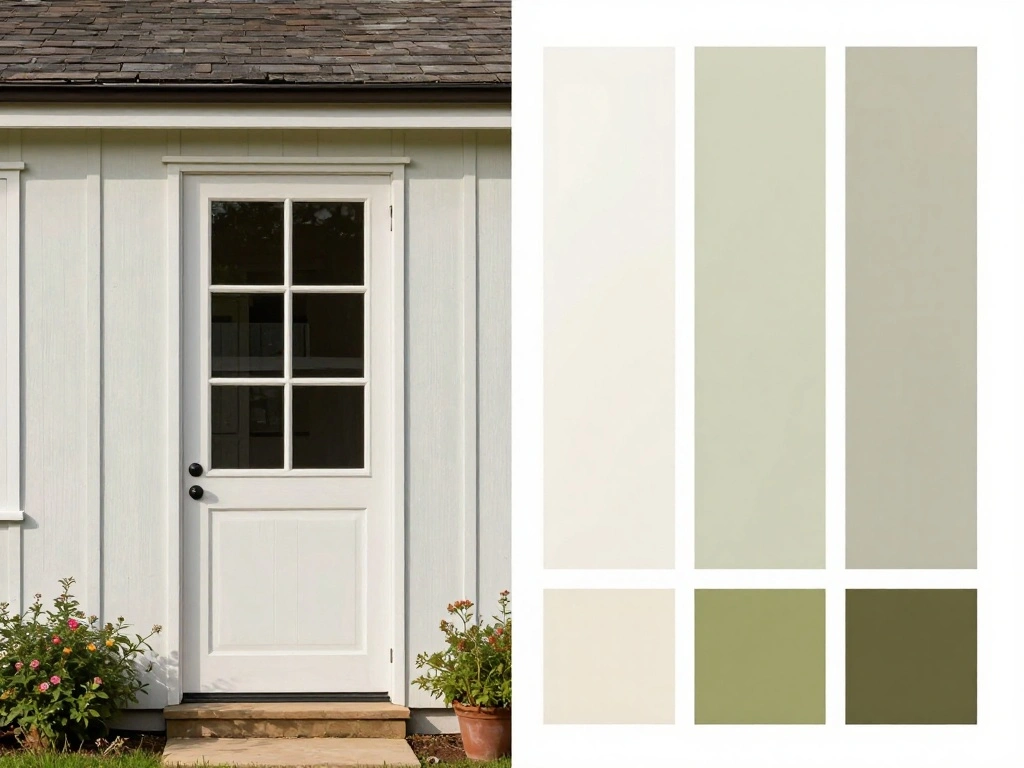
Once you’ve tested the colors, it’s time to finalize your palette. Here’s how:
- Choose a main color for the body of the house.
- Select an accent color for trim and shutters.
- Consider a third color for doors or additional features.
Pro Tip: Use a color wheel to help you find complementary colors.
Why this matters: A well-thought-out color palette adds depth and interest to your farmhouse, creating a harmonious look.
Time estimate for this step: 30 minutes.
Recommended Products

CONVENIENT SIZE - This Apple Barrel Acrylic Paint comes in a versatile 2 oz size that is great for basecoating, stenciling, and so much more
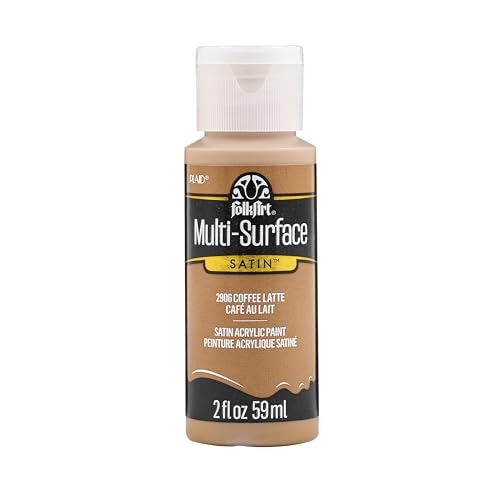
PERFECT SIZE & BRILLIANT COLORS - This line of vibrant, multi-surface acrylic paint is the perfect addition to any collection of art supplies! This craft paint comes in a 2 oz bottle

VERSATILE SIZE - This unique chalk acrylic paint comes in a convenient 8 oz size and has a rich, highly pigmented formula - perfect for all your home décor projects!
Step 4: Choose a Color Palette
Editor’s Choice

Nicpro 32 Colors Outdoor Acrylic Paint Bulk with Brush and Sponge, Knife…

JimKing Creative Color Wheel, Paint Mixing Learning Guide, Art Class Tea…
Step 5: Finalize Your Choices
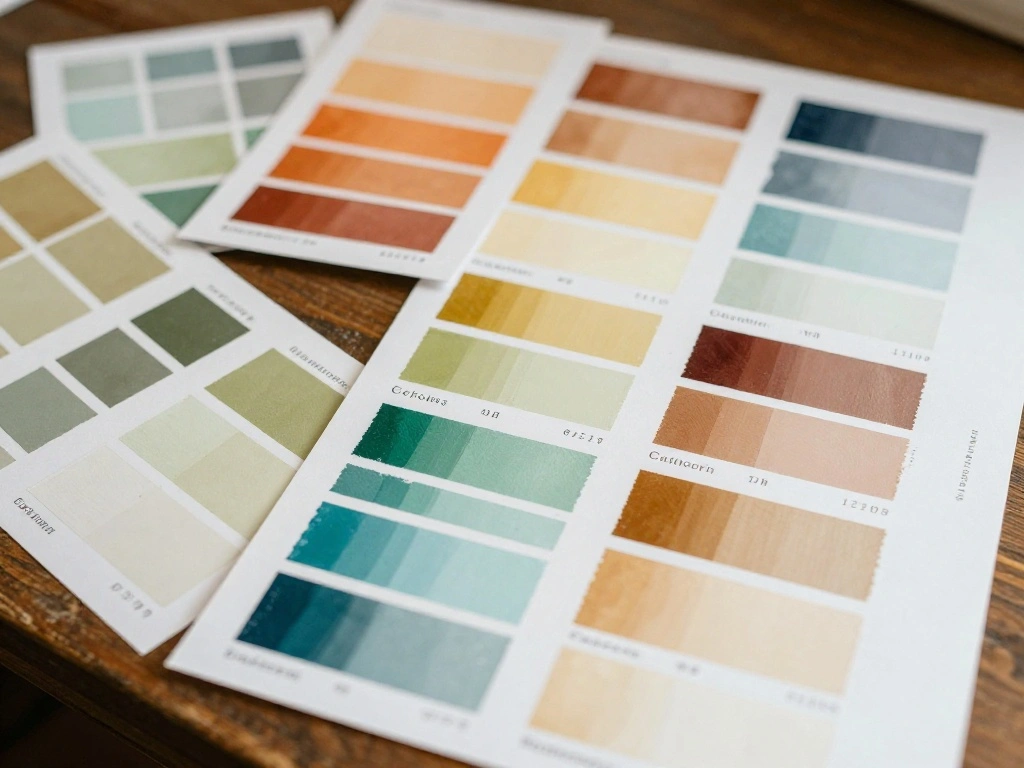
Before committing to your paint colors, confirm your selections by following these steps:
- Revisit your color samples to ensure you still love them.
- Consult with family or friends for their opinions.
- Consider how the colors will look in different seasons.
Warning: Avoid rushing this decision; take your time to ensure satisfaction.
Why this matters: Finalizing your choices with careful consideration will lead to a more satisfying outcome.
Time estimate for this step: 30 minutes.
Recommended Products

Ready to use, pre-mixed door and trim paint offers a fresh new look on interior or exterior metal, wood and fiberglass
Use for a variety of indoor and outdoor project surfaces including wood, metal, plaster, masonry or unglazed ceramic
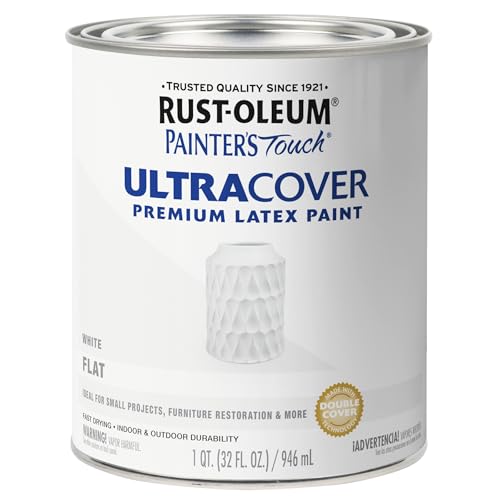
Use for a variety of indoor and outdoor project surfaces including wood, metal, plaster, masonry or unglazed ceramic
Step 5: Finalize Your Choices
Editor’s Choice
Sherwin Williams Colors collection Deck Complete Paint Colors

Nicpro All-In-One Miniature Painting Kit, Including 18 Colors Model Pain…
Step 6: Purchase and Prepare for Painting

Now that you’ve made your choices, it’s time to prepare for the painting process:
- Purchase the necessary paint and supplies.
- Prepare the surfaces by cleaning and scraping off old paint.
- Gather your tools, including brushes, rollers, and drop cloths.
Pro Tip: Choose high-quality paint for better durability and finish.
Why this matters: Proper preparation ensures a quality finish and longevity for your paint job.
Time estimate for this step: 30 minutes.
Recommended Products

Bulk Pack Advantage: Our package includes a generous quantity of 36 vinyl shutter fasteners ensuring you won't run out in the middle of your project. These fasteners can be applied for installing any type of vinyl shutter on a variety of siding materials such as wood, aluminum, vinyl, stucco, brick, masonry, or cardboard

Bulk Pack Advantage: Our package includes a generous quantity of 18 vinyl shutter fasteners ensuring you won't run out in the middle of your project. These fasteners can be applied for installing any type of vinyl shutter on a variety of siding materials such as wood, aluminum, vinyl, stucco, brick, masonry, or cardboard

Install Vinyl Shutters Quick & Easy. Use Our Fasteners which are build to hold your shutters even during the most severe windstorms.
Step 6: Purchase and Prepare for Painting
Editor’s Choice

Rust-Oleum 369383 Advanced Dry Door & Trim Paint, Quart, Satin Black

Canvas Painters Drop Cloth (Size 9 x 12 Feet – Pack of 2) – Pure Cotton …
Pro Tips
- Test in Different Lighting: Always check how the color looks in both sunlight and shade.
- Use a Limited Palette: Limit your choices to 3-4 colors for a cohesive look.
- Take Photos: Capture photos of your samples on different days to compare.
- Plan for Future Changes: Think about how your color choices will stand the test of time.
- Consult Professionals: If unsure, consider seeking advice from a color consultant.
Recommended Products

Package Include: you will receive 4 pieces of color wheels in 2 sizes, measuring about 5.5 inches and 9 inches in diameter, the artist wheels help show which colors are complimentary, and how they go (or do not go) together, ideal for learning how to color

Master Color Theory Visually - This dual-sided artist color wheel makes understanding color theory effortless. The front is a dynamic spinning color wheel for instant color mixing results, while the back explains advanced relationships like complementary colors, serving as your ultimate color harmony wheel and artist mixing guide.

Double-Sided Artist Color Wheel: A versatile, 9-1/4" diameter color wheel for artists, students, and teachers. It's an essential color tool for painters, and interior designers, and crafers illustrating how to mix 60 colors
Pro Tips
Editor’s Choice

Paint Brush Set, 20 Pack Paint Brushes, 5 Sizes (1″ 1.5″ 2″ 3″ Flat & 1….

Shuttle Art Outdoor Acrylic Paint Set, 36 Colors 2oz/60ml Waterproof Acr…

Nix Mini 3 Color Sensor Colorimeter – Portable Color Matching Tool – Dus…
Common Mistakes to Avoid
Warning: Choosing a color based solely on trends can lead to regret.
Consider timeless options instead.
Warning: Not testing colors on your home can result in disappointment.
Always test first!
Warning: Forgetting about the roof color can clash with your choices.
Ensure all elements are harmonious.
Common Mistakes to Avoid
Editor’s Choice

Nicpro 32 Colors Outdoor Acrylic Paint Bulk with Brush and Sponge, Knife…
The Color Wheel Company Interior Design Wheel interior design color whee…
Troubleshooting Section
Problem: The paint looks different than expected.
Solution: Re-evaluate your lighting and test again.
Problem: Colors clash with surroundings.
Solution: Go back to the color wheel and find complementary hues.
Problem: Paint is peeling or not adhering.
Solution: Ensure surfaces are properly prepped and cleaned.
Troubleshooting Section
Editor’s Choice
JimKing Creative Color Wheel, Paint Mixing Learning Guide, Art Class Tea…
ILC RGB LED Light Bulb, Color Changing Light Bulb, 40W Equivalent, 450LM…

Sandblaster Gun Sandblasting Cabinet Foot Valve Sand Blasting Media Kit …
Variations/Alternative Methods
Consider these alternatives when choosing exterior paint colors:
- Two-Tone Options: Using two colors can add interest to your farmhouse, especially if you separate the body and trim.
- Accent Walls: In some areas, an accent wall can create a focal point without overwhelming the overall design.
Each method has its pros and cons, so choose based on your preference and style.
Variations/Alternative Methods
Editor’s Choice
Nicpro 32 Colors Outdoor Acrylic Paint Bulk with Brush and Sponge, Knife…
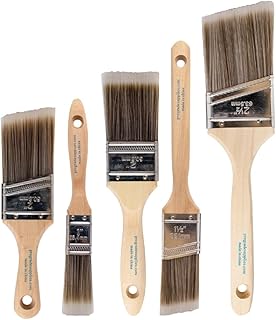
Pro Grade Paint Brushes, 5-Piece Paint Brush Set, Flat & Angle Brushes f…

4 Rolls Premium Painters Tape, Blue Tape, Masking Tape, Paint Tape for M…
FAQs
What if I don’t have access to color samples?
You can request samples from paint stores or use online color visualizers to get an idea of your choices.
How long should I wait between coats of paint?
Typically, you should wait 2-4 hours between coats, but always check the paint manufacturer’s instructions.
Is it safe to paint in cold weather?
It’s best to avoid painting below 50°F, as it can affect the paint’s adhesion and drying time.
FAQs
Editor’s Choice

PANTONE Color Specifier and Guide Set/Get inspiration and communicate co…

Pro Grade Paint Roller Kit, Brush & Roller,10 Piece Set, Wall Painting N…

TempPro TP50 Digital Hygrometer Indoor Thermometer Room Thermometer and …
Conclusion
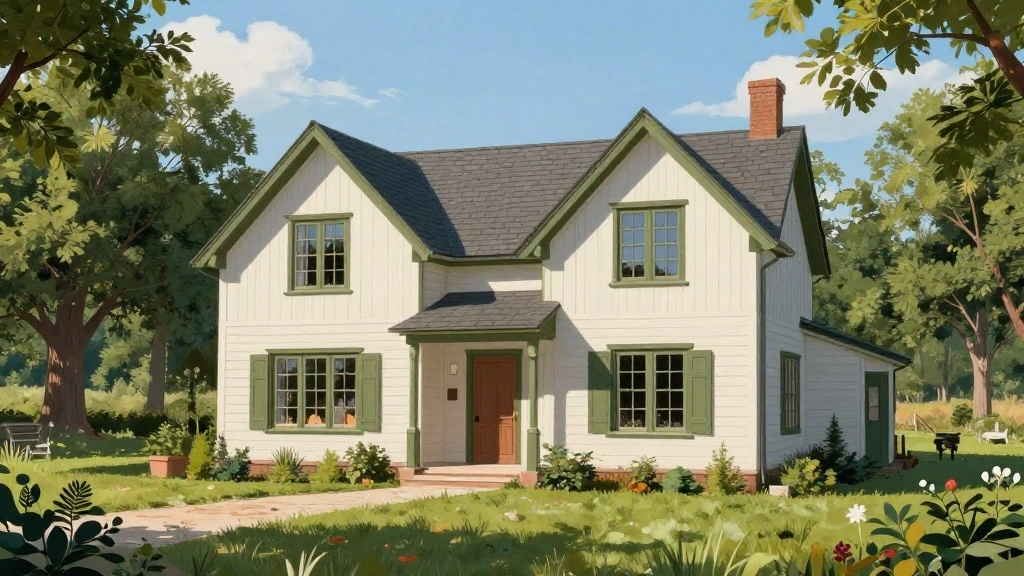
Congratulations! You’ve now learned how to choose the perfect exterior paint colors for your farmhouse home. By following these steps, you not only enhance your home’s beauty but also its value.
As you start your painting project, remember to enjoy the process and take pride in your choices. If you’re looking for more inspiration, consider exploring other home improvement resources or consult with local experts. Embrace the journey ahead and enjoy your beautifully painted farmhouse!