
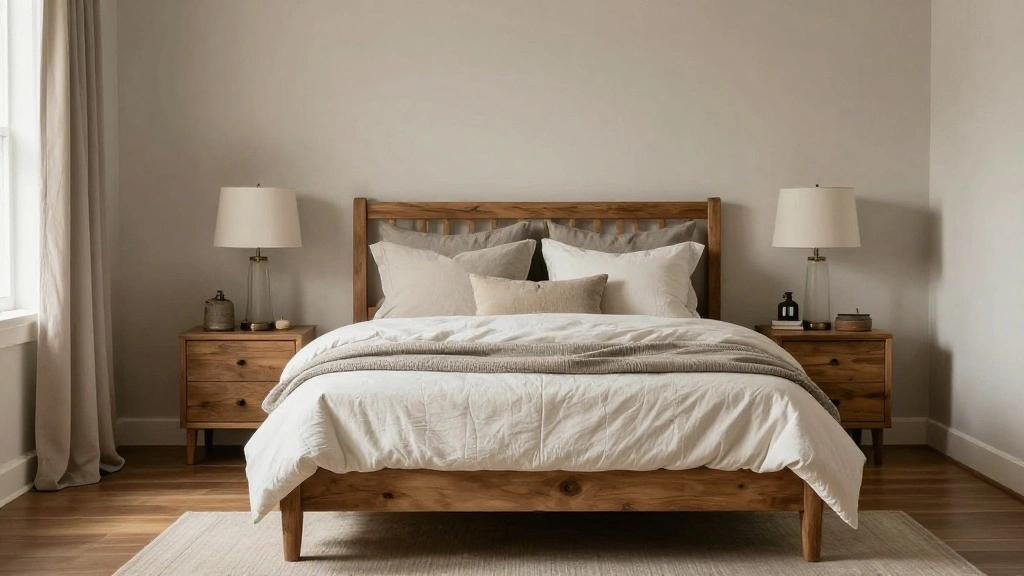
Is your bedroom lacking a sense of tranquility? A chaotic environment can lead to stress and restless nights, making it essential to create a calming atmosphere at home. The right color scheme plays a crucial role in fostering peace and relaxation. In this guide, you will learn how to create a calming farmhouse bedroom color scheme that promotes serenity and comfort.
By the end of this article, you will have a beautifully designed bedroom that reflects the cozy, rustic charm of farmhouse decor while incorporating soothing colors. This guide will walk you through selecting colors, applying them effectively, and enhancing your space with decor accents that complement your calming palette.
This guide is aimed at beginners and should take approximately 2-3 hours to complete. Get ready to transform your bedroom into a soothing sanctuary with just a few thoughtful choices!
TL;DR Summary
- Choose a calming color palette using soft neutrals, pastels, and muted tones.
- Incorporate natural materials like wood and linen to enhance the farmhouse feel.
- Use accent colors sparingly to create depth without overwhelming the space.
- Accessorize with decor that complements your chosen color scheme for a cohesive look.
Recommended Products

Linen Grey Full Comforter Set: Andency 3 pieces size comforter set includes 1 ruffle comforter (79x90 inches) and 2 pillowcases (20x26 inches). Our solid ruffle comforter set is suitable for any color scheme and room style.
Linen Grey California King Comforter Set: Andency 3 pieces size comforter set includes 1 ruffle comforter (104x96 inches) and 2 pillowcases (20x36 inches). Our solid ruffle comforter set is suitable for any color scheme and room style.

Boho Vintage Design: Inspired by a chic boho palette and adorned with elegant embroidered tufts, adding a refined touch of sophistication to any bedroom retreat. The vintage-inspired style offers a nostalgic charm, making it the perfect gift for girls ,guys and all other loved ones seeking both comfort and timeless elegance.
TL;DR Summary
Editor’s Choice

MR&HM Queen Comforter Set Linen 7 Pieces – Ruffle Bedding Sets for Girls…


Farmhouse Rustic Inspirational Family Quote Live Laugh Love Throw Pillow…

Homebody Accents Garden Rules Sign, Funny Garden Wall Decor, Rustic Alum…
Prerequisites/Materials Needed
- Paint Samples: 3-5 calming colors (e.g., soft whites, light blues, muted greens)
- Paint Supplies: Brushes, rollers, painter’s tape
- Textiles: Bedding, curtains in neutral or pastel tones
- Decor Accents: Throw pillows, rugs in complementary colors
- Furniture: Wooden furniture or pieces in light finishes
Recommended Products
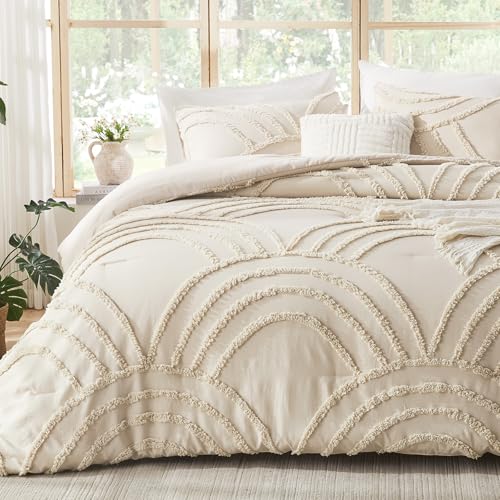
Bohemian Vintage Look: Comforters queen size that rainbow design tufted pattern adds a touch of elegance and sophistication to the overall look. The arch geometric tufted pattern adds a nice aesthetic boho farmhouse modern or traditional style for your bedroom living room; college dorm essentials comforter bedding set; back to school comforter; Christmas gifts; Boho Chic Home Decor

Included: This Lemiroe cotton twin duvet cover set 2pcs comes with 1 × twin size duvet cover (68" x 90") and 1 × pillow shams (20" x 26"). - Upon opening, you may notice a slight cotton smell, which is completely normal. We recommend washing before first use for the best experience.

100% soft cotton, breathable, eco-friendly and of premium quality
Prerequisites/Materials Needed
Editor’s Choice

4Pcs Pink Pillow Covers, Fashion Woman Watercolor Perfume High Heels Lip…

Wake In Cloud – Floral Comforter Set, Shabby Chic Farmhouse Cottagecore …
Skill Level & Time Estimate
Skill Level: beginner
Total time estimate: 2-3 hours. This includes:
- Choosing color palette: 30 minutes
- Painting walls: 1-2 hours
- Arranging furniture and decor: 30 minutes
Skill Level & Time Estimate
Editor’s Choice

Framed Woman Bedroom Wall Art, Large Cozy Woman Canvas Painting for Room…

Dr’s Remedy Enriched Nail Polish: Non Toxic, All Natural, ’24-Free’ – …

16 Inch White Heart Throw Pillows, 2 Pack Cute Fluffy Soft Aesthetic Dec…
Step 1: Choose Your Base Color
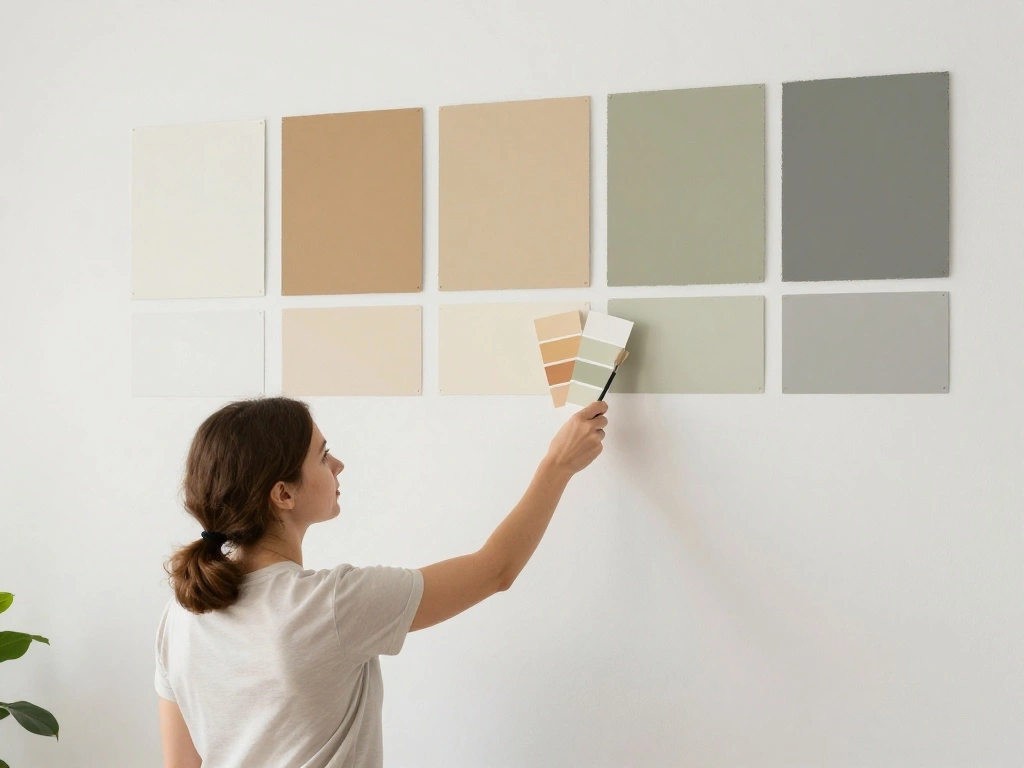
Start by selecting a base color for your bedroom. This will set the tone for your calming farmhouse theme. Consider the following:
- Choose soft neutrals like whites, beiges, or light grays.
- Test paint samples on your walls to see how they look in different lighting.
- Consider a color that evokes calmness, such as pale blue or soft green.
Pro Tip: Look for colors that match your personal style but also enhance tranquility.
Why this matters: The base color will cover most of your walls, so it’s essential to choose one that promotes a soothing environment.
Time estimate: 30 minutes.
Recommended Products
CONVENIENT SIZE - This Apple Barrel Gloss Acrylic Paint comes in a versatile 2 oz size that is great for basecoating, stenciling and so much more

PEEL AND STICK WALLPAPER DESIGN--Romantic rose and leaf wallpaper, green, blue, and beige, with rich and harmonious colors, creating an elegant, retro, and fresh atmosphere. Present a romantic and beautiful visual experience for your home space.
Winsor & Newton Winton Oil Colours are high quality yet affordable, delivering trusted performance.
Step 2: Select Complementary Colors

Next, choose complementary colors to enhance your base color. Follow these steps:
- Select 2-3 additional colors that blend well with your base color.
- Consider soft pastels or muted tones that add depth without overwhelming.
- Use a color wheel to find harmonious combinations.
Pro Tip: Stick to colors in the same family (e.g., blues and greens) for a cohesive look.
Why this matters: Complementary colors help create visual interest while maintaining a calming vibe.
Time estimate: 20 minutes.
Recommended Products

Strong Magnets: Our wood bead curtain tiebacks magnetic are newest design and have a super strong magnet. Magnetic curtain tiebacks use upgraded version of nickel-plated magnets, which are smooth, and rust-resistant, screw fixing, does not fall off. This boho Magnetic curtain holders hold the curtains back great

Strong Magnets: Our wood bead curtain tiebacks magnetic are newest design and have a super strong magnet. Magnetic curtain tiebacks use upgraded version of nickel-plated magnets, which are smooth, and rust-resistant, screw fixing, does not fall off. This boho magnetic curtain tie backs hold the curtains back great

Strong Magnets: Our wood bead curtain tiebacks magnetic are newest design and have a super strong magnet. Magnetic curtain tiebacks use upgraded version of nickel-plated magnets, which are smooth, and rust-resistant, screw fixing, does not fall off. This boho magnetic curtain tie backs hold the curtains back great
Step 2: Select Complementary Colors
Editor’s Choice

Color Fidget Wheel Keychain, 20 Hues Color Fidget Enamel with Interactiv…

Pink Throw Pillow Covers 18×18 Inch Fashion Floral Perfume Striped Decor…

YIOZHAOFH Louts Wall Art Yoga Room Painting Zen Office Decor Women Spa P…
Step 3: Test Color Combinations
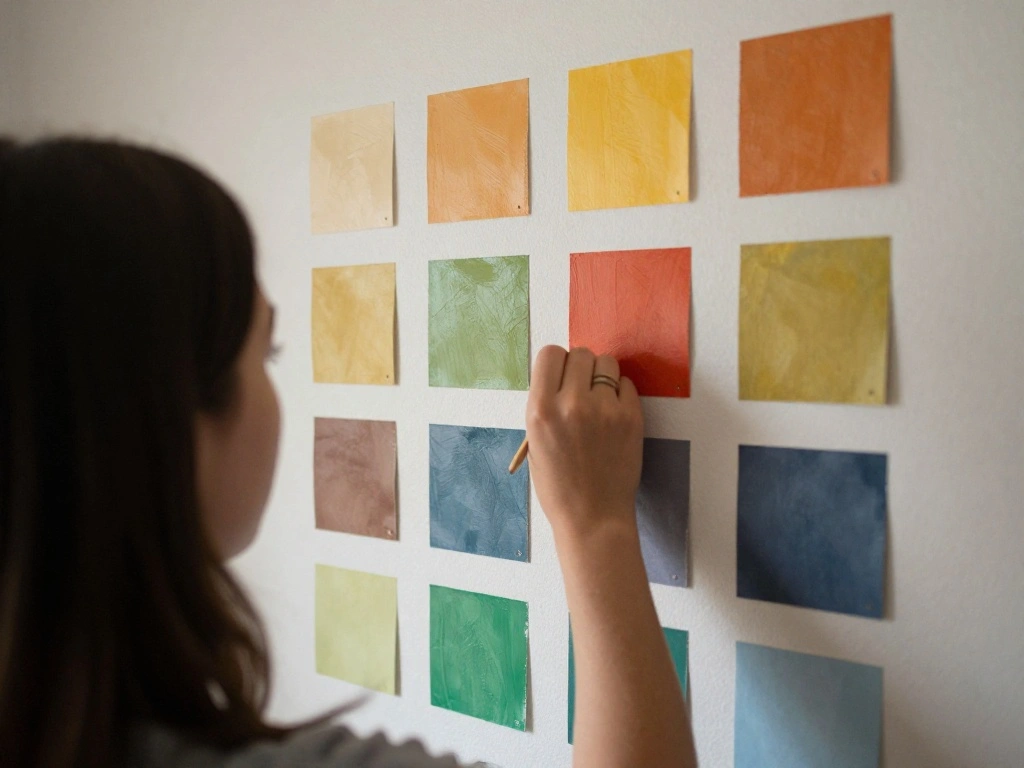
Before making any final decisions, test your chosen colors together in your space:
- Paint small swatches of your base and complementary colors on the wall.
- Observe how the colors look together at different times of the day.
- Consider how the colors interact with your furniture and decor.
Warning: Avoid committing to a color without seeing how it looks in your space to prevent regret!
Why this matters: Testing colors helps ensure that your selections create the desired calming effect.
Time estimate: 30 minutes.
Recommended Products

Exquisite and Minimalist Style: This solid bedding comforter set perfectly blends exquisite textured craft and aesthetics, adds an extra layer of art style to match your room décor, and brightens your bedroom.
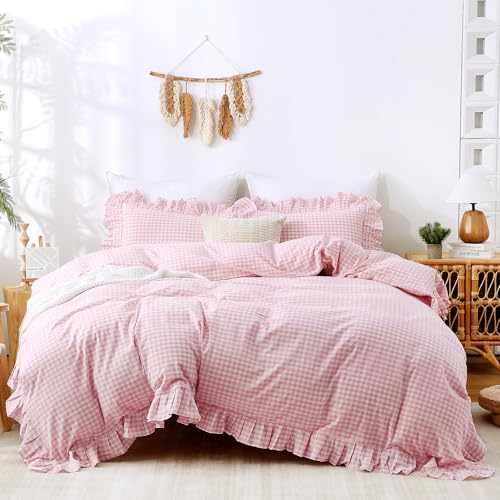
Premium Washed Cotton Fabric: Crafted from 100% washed cotton for a relaxed, linen-like texture that grows softer with every wash. The fabric is breathable, durable, and designed for comfort in every season—perfect for a retro-chic yet cozy bedroom experience.
Boho Vintage Design: Inspired by a chic boho palette and adorned with elegant embroidered tufts, adding a refined touch of sophistication to any bedroom retreat. The vintage-inspired style offers a nostalgic charm, making it the perfect gift for girls ,guys and all other loved ones seeking both comfort and timeless elegance.
Step 3: Test Color Combinations
Editor’s Choice

Mcbazel Paint Thickness Tester Meter Gauge, Magnetic Car Paint Coating T…

Soucolor Acrylic Paint Brushes Set, Easter Basket Stuffers, 20Pcs Round …
Step 4: Prepare Your Space for Painting
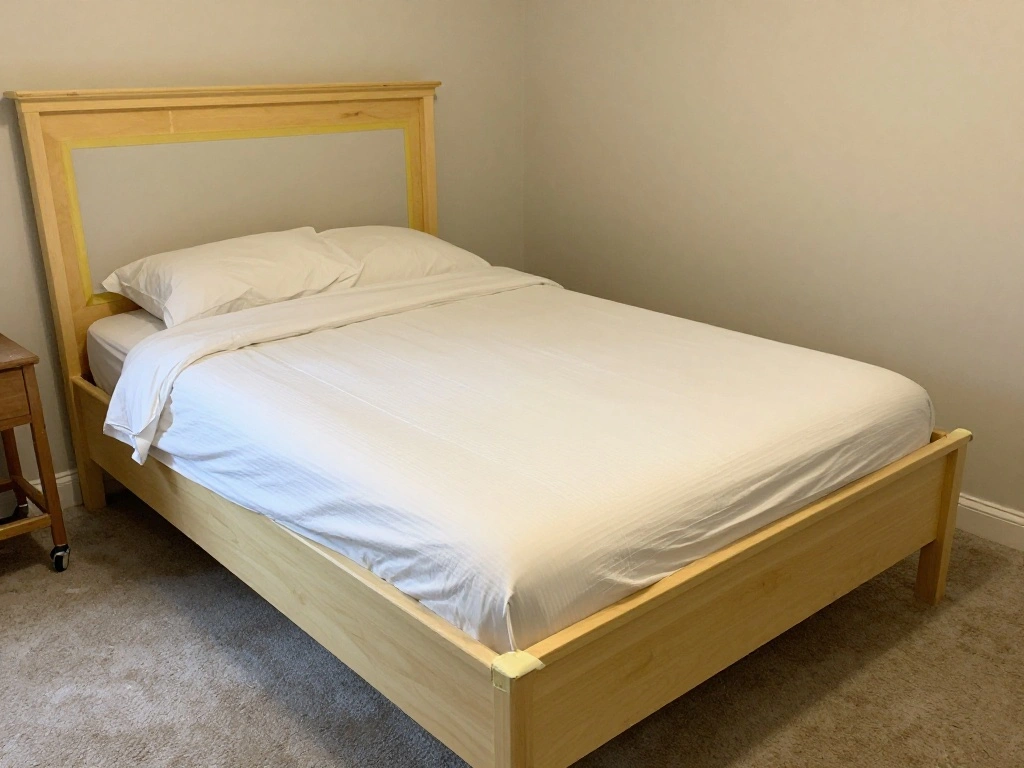
Before applying paint, prepare your bedroom:
- Remove all furniture or cover it with drop cloths.
- Clean the walls to ensure proper paint adhesion.
- Use painter’s tape to mask off edges and trim.
Pro Tip: Cover the floor with a protective layer to avoid paint spills.
Why this matters: Proper preparation ensures a clean and professional-looking paint job.
Time estimate: 30 minutes.
Recommended Products
100% soft cotton, breathable, eco-friendly and of premium quality

Experience luxurious comfort with our ultra-soft faux shaggy fur bedding, featuring a cozy faux mink reverse. For optimal results, use "no heat" or "air fluff" on your dryer to remove loose fibers
Step 4: Prepare Your Space for Painting
Editor’s Choice

Temporary Floor Protection 36’’ x 100’ – Anti Slip, Easily Applied…

2 Pack Pink Painters Tape – Masking Tape 1 Inch Wide – Multi-Surface, Sm…

Ficerd 3 Pack Women Crop Tops Half Sleeve Cropped T Shirts Casual Crew N…
Step 5: Paint the Walls

Now, it’s time to paint! Follow these steps:
- Start with the edges using a brush, then use a roller for larger surfaces.
- Apply a second coat if necessary for full coverage.
- Let the paint dry completely before removing painter’s tape.
Warning: Ensure proper ventilation while painting to avoid inhaling fumes.
Why this matters: A well-applied coat of paint transforms your bedroom and establishes the calming foundation.
Time estimate: 1-2 hours.
Recommended Products

【Natural Fabric】Our pillow covers are made of 70% natural ramie and 30% cotton. Natural ramie fabric makes it soft, comfortable and breathable.

Package includes 2 identical throw pillow covers with smooth invisible zippers, convenient for inserting and removing pillow inserts. The hidden zipper design ensures a tidy and seamless appearance, enhancing the overall decorative effect for your home.

【Natural Linen Fabric】 Made of grade ramie linen and cotton. Natural linen fabric makes it soft, comfortable, and breathable—good workmanship, tightly sewn. Color may be different in different light or on different screen.
Step 5: Paint the Walls
Editor’s Choice

Hazmat Suit Coveralls for Men and Women, Full Body White Painting Suit &…

Pro Grade Paint Roller Kit, Brush & Roller,10 Piece Set, Wall Painting N…
Step 6: Choose Bedding and Textiles

Select bedding and textiles that complement your color scheme. Consider these steps:
- Choose bedding in soft colors that match your walls.
- Select curtains that allow natural light while providing privacy.
- Incorporate textures like linen or cotton for a cozy feel.
Pro Tip: Layer your bedding with throws and pillows in varying colors for added comfort.
Why this matters: Bedding and textiles enhance the overall aesthetic and comfort of your bedroom.
Time estimate: 30 minutes.
Recommended Products

PERFECT SIZE & BRILLIANT COLORS - This line of vibrant, multi-surface acrylic paint is the perfect addition to any collection of art supplies! This craft paint comes in a 2 oz bottle

Model color has been formulated with permanent pigments for fine arts; all colors are completely lightfast and opaque

Step 6: Choose Bedding and Textiles
Editor’s Choice

BEDELITE Pink Queen Comforter Set – 3 Pieces Boho Pintuck Bedding Comfor…

Bedsure GentleSoft White Throw Blanket for Couch – Graduation Gifts Teac…

HOMEIDEAS Non-See-Through White Privacy Semi Sheer Curtains 84 Inches Lo…
Step 7: Add Furniture and Decor
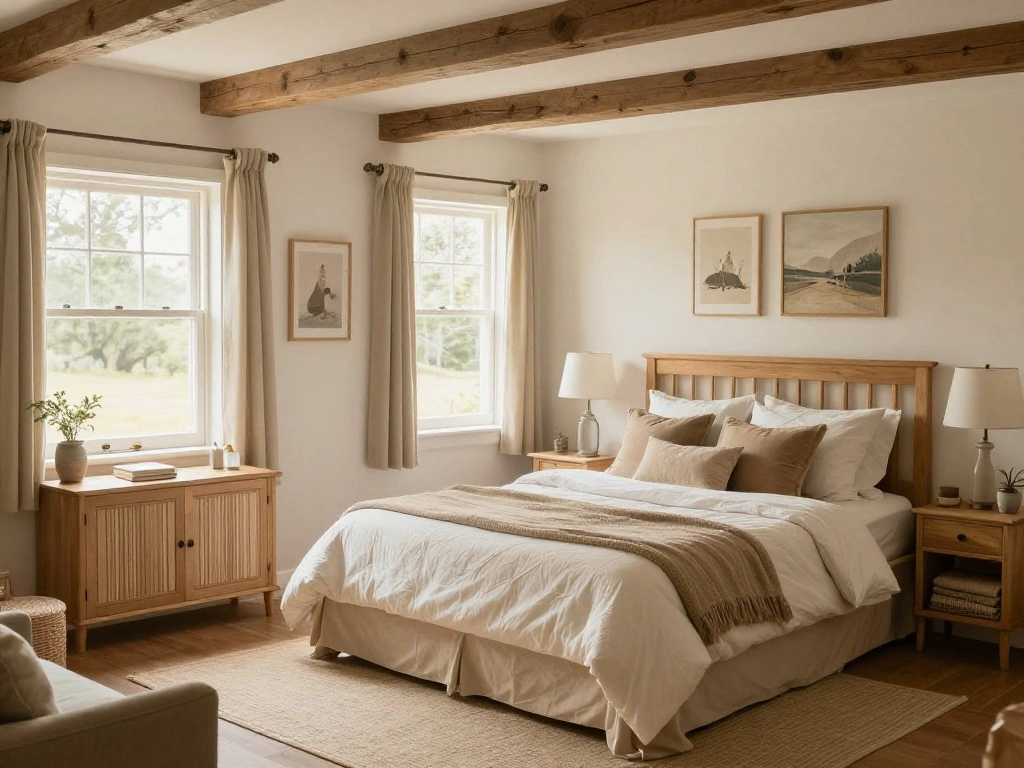
Now it’s time to furnish and decorate your bedroom:
- Choose wooden furniture in light finishes to maintain a farmhouse aesthetic.
- Add accent pieces in your complementary colors to tie the room together.
- Incorporate plants or natural elements for a refreshing touch.
Pro Tip: Keep decor minimal to avoid visual clutter and maintain a calming atmosphere.
Why this matters: Thoughtfully chosen furniture and decor enhance your calming color scheme.
Time estimate: 30 minutes.
Recommended Products

Cotton Linen Button Valance: Our farmhosue valance curtain is made of premium cotton linen material, which is durable and comfortable. There are 7 buttons on our boho curtain panel and make it more farmhouse and boho

♥PACKAGE INCLUDES:1 Panel valance curtain,the size is 52"W x 12"L,with 3 inch pole pocket,fits most standard rods and makes the maximize coverage of windows.
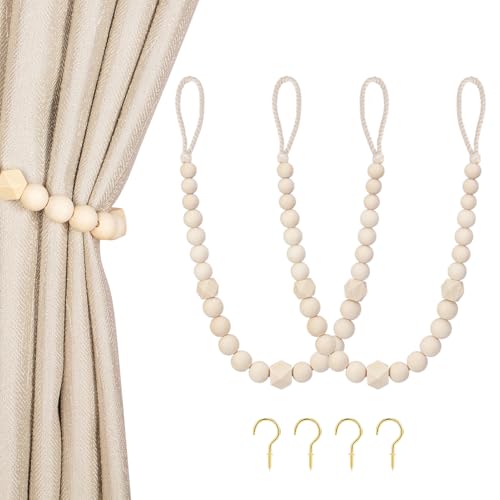
High-Quality Material: These tie backs for curtains are hand-made with natural wooden beads and cotton rope. Smooth, non-toxic, woody smell, corrosion-resistant, durable, perfect for protecting and decorating your curtains
Step 7: Add Furniture and Decor
Editor’s Choice
Farmhouse Rustic Inspirational Family Quote Live Laugh Love Throw Pillow…
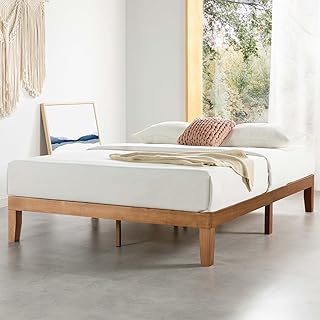
Mellow Naturalista Classic – 12 Inch Solid Wood Platform Bed with Wooden…

Indoor Herb Garden Start Kit – Unique Gifts for Women, Mothers Day Gifts…
Step 8: Incorporate Lighting
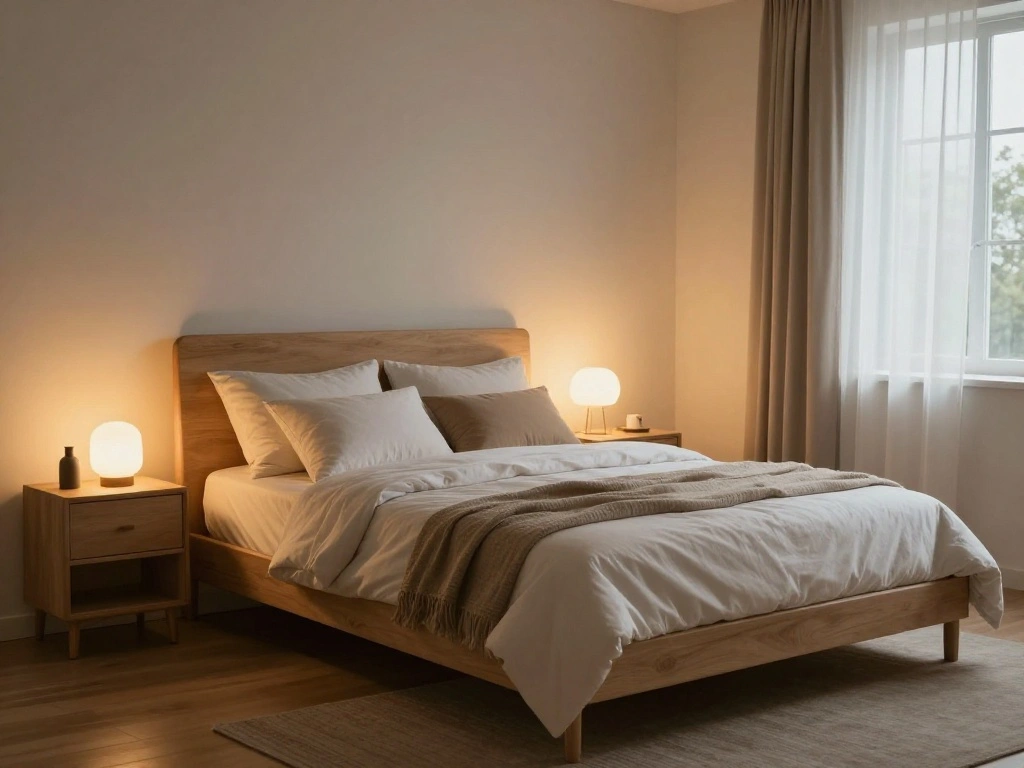
Lighting plays a vital role in creating a calming space. Follow these steps:
- Choose soft, warm light bulbs for a cozy ambiance.
- Incorporate multiple light sources, such as bedside lamps and overhead fixtures.
- Consider dimmers to adjust brightness based on your mood.
Pro Tip: Use fairy lights or candles for a soft, inviting glow.
Why this matters: The right lighting enhances the calming effect of your color scheme.
Time estimate: 30 minutes.
Step 8: Incorporate Lighting
Editor’s Choice

GODONLIF Candle Warmer Lamp with Cycle Timer, Birthday Gifts for Women M…

PoKat Touch Bedside Table Lamps with USB Ports for Bedroom Living Room, …
Step 9: Final Touches
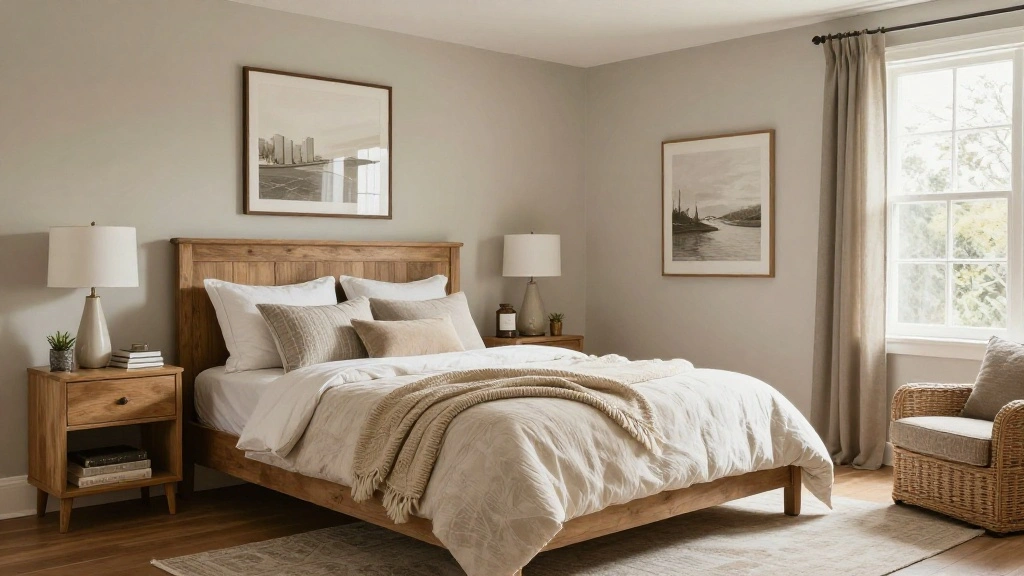
Add the finishing touches to complete your calming farmhouse bedroom:
- Arrange decor items thoughtfully without overcrowding.
- Incorporate personal touches like photos or art that evoke positive feelings.
- Ensure everything aligns with your calming color palette.
Pro Tip: Step back and assess the overall look—make adjustments as needed for balance.
Why this matters: Final touches ensure that your bedroom feels cohesive and inviting.
Time estimate: 30 minutes.
Step 9: Final Touches
Editor’s Choice
4Pcs Pink Pillow Covers, Fashion Woman Watercolor Perfume High Heels Lip…

Tavaleu Straw Beach Bags for Women, Tote Handbag Shoulder Bag for Women,…

Vintage Gold Framed Canvas Wall Art, Country Woman Reading Painting Pict…
Pro Tips
- Mix Textures: Use various materials such as wood, metal, and fabric to add depth.
- Layer Colors: Don’t be afraid to layer similar shades for a sophisticated look.
- Seasonal Changes: Update textiles and decor seasonally to keep the space feeling fresh.
- Personal Touches: Incorporate handmade or sentimental items for a unique feel.
- Keep It Simple: Less is often more; avoid clutter for a tranquil atmosphere.
Pro Tips
Editor’s Choice
4Pcs Pink Pillow Covers, Fashion Woman Watercolor Perfume High Heels Lip…
BEDELITE Pink Queen Comforter Set – 3 Pieces Boho Pintuck Bedding Comfor…

Glamativity 4 Pack Gold Wall Art Decor, Minimalist Single Line Real Meta…
Common Mistakes to Avoid
Warning: Avoid overly bright colors that can overwhelm the senses. Stick to soft tones.
Warning: Don’t overcrowd the space with too much decor; simplicity promotes calmness.
Warning: Ignoring natural light can lead to a dreary atmosphere—consider how light affects your color choices.
Common Mistakes to Avoid
Editor’s Choice

Essential Oil Diffuser for Women, 500ml Aromatherapy Diffuser:14-Color L…
Vintage Gold Framed Canvas Wall Art, Country Woman Reading Painting Pict…
4Pcs Pink Pillow Covers, Fashion Woman Watercolor Perfume High Heels Lip…
Troubleshooting Section
Problem: Colors look different on the wall than expected.
Solution: Test multiple swatches in different lighting before committing to one color.
Problem: The room feels cluttered.
Solution: Remove non-essential decor items and focus on key pieces.
Problem: Inconsistent lighting.
Solution: Use multiple light sources and consider dimmers to create a balanced ambiance.
Troubleshooting Section
Editor’s Choice

DRASTAR Tampon Holder for Bathroom, Feminine Product Organizer, Pad Orga…

Amico Dimmer Light Switch, Single-Pole or 3-Way Slide Dimmer Switches fo…

200 Pcs Nail Swatch Sticks – Color Swatches with Numbering Stickers an…
Variations/Alternative Methods
Consider these alternatives:
- Accent Wall: Instead of painting all walls, create a single accent wall for a bold pop of color.
- Temporary Decor: Use removable wallpaper or decals for a non-permanent color scheme.
- Colorful Accents: If you prefer more vibrant colors, limit their use to smaller decor items like pillows or art.
Variations/Alternative Methods
Editor’s Choice

HAOKHOME Modern Peel and Stick Wallpaper Cool Ladies Black/White/Red Lip…
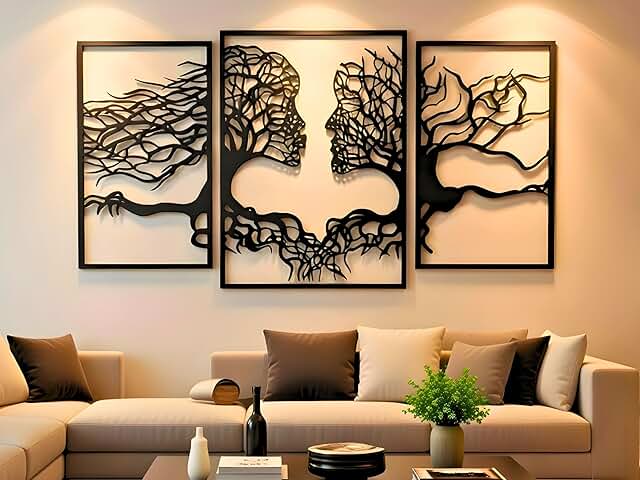
VAILLA Tree of Life Wall Wooden Art Abstract Tree Man Woman Face Large 3…

Pink Decor for Bedroom Throw Pillow Covers, Throw Pillows for Girls Bedr…
FAQs
What if I don’t have space for large furniture?
Use smaller, multi-functional furniture to maximize space without sacrificing style.
How long should I let the paint dry?
Typically, allow 24 hours for the paint to cure fully before placing furniture back.
Is it safe to paint my bedroom?
Yes, ensure proper ventilation and use low-VOC paints for a healthier environment.
FAQs
Editor’s Choice

UCANBE Athena Face Body Paint Oil Palette + Translucent Setting Powder +…

MAXYOYO Folding Sofa Bed, Convertible Chair with Pillow Foldable Couch w…

Floral Meadow Storage Basket Large 17×11.5×10.5 Inche-Collapsible Fabric…
Conclusion
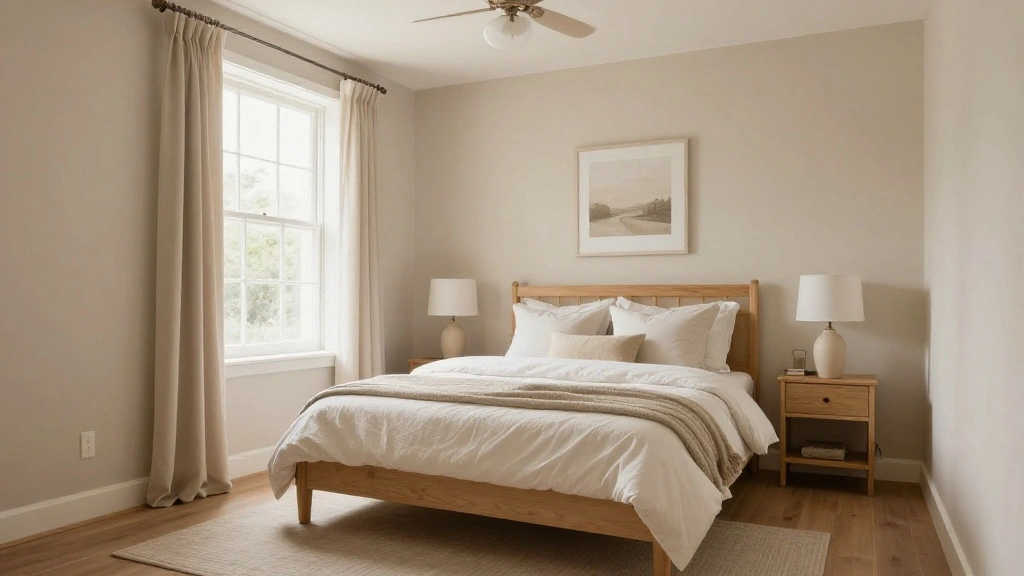
Congratulations! You’ve transformed your bedroom into a soothing, calming retreat that reflects the beauty of farmhouse style. With your new color scheme and decor, you can enjoy a peaceful atmosphere designed for relaxation.
Now that your calming farmhouse bedroom is complete, consider exploring additional decor themes or enhancements. Keep your space fresh with seasonal updates and continue to personalize it with items that bring you joy.
Embrace your new sanctuary, and enjoy the tranquility it brings to your life!