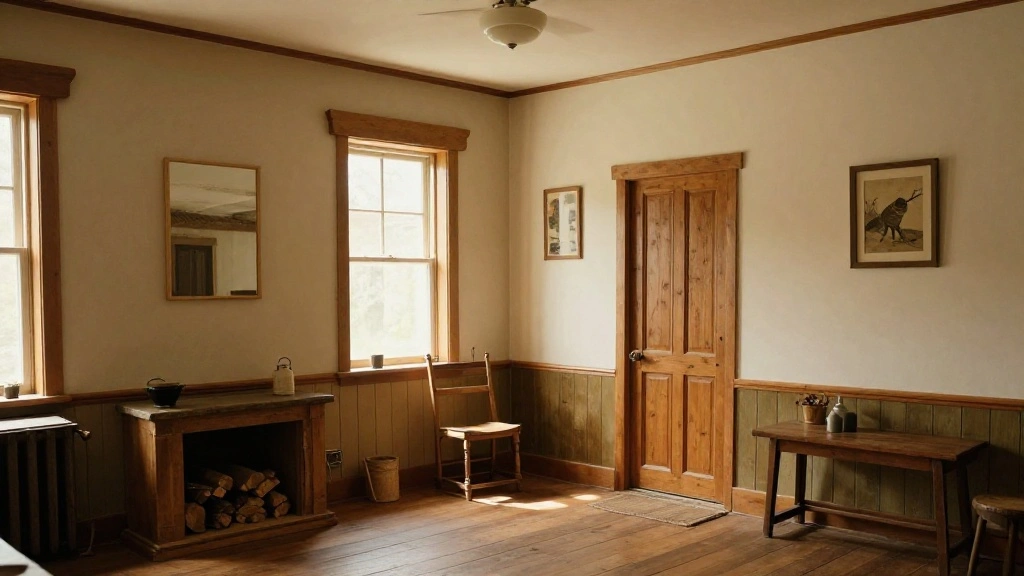
Choosing the right trim and wall color combinations can be a daunting task, especially when aiming for that cozy, inviting farmhouse style. Many homeowners struggle with selecting colors that align with the rustic charm of farmhouse aesthetics. The urgency lies in ensuring your home reflects warmth and character, so you don’t miss out on creating a space that feels like home.
This guide will help you master the art of color pairing to create a stunning farmhouse look. You’ll learn how to choose wall colors that complement your trim, create visual harmony, and enhance your home’s overall appeal.
By the end of this guide, you will confidently select trim and wall colors that encapsulate the farmhouse style, making your home feel welcoming and stylish. Difficulty Level: beginner
Time Estimate: 2-3 hours
Are you ready to transform your space into a farmhouse haven? Let’s dive in!
TL;DR Summary
- Understand key farmhouse color palettes for trim and walls.
- Learn how to choose complementary colors that enhance your space.
- Follow a step-by-step process for selecting and testing colors.
- Gain practical tips for avoiding common mistakes.
Recommended Products

Self-Priming formula - requires no sanding

Ready to use, pre-mixed door and trim paint offers a fresh new look on interior or exterior metal, wood and fiberglass

Use for a variety of indoor and outdoor project surfaces including wood, metal, plaster, masonry or unglazed ceramic
TL;DR Summary
Editor’s Choice

Magicfly 15 Pcs Chalk Furniture Paint Set, 9 Colors Ultra Matte Finish A…


Bates- Paint Roller Kit, 19 pcs, Roller Set with Microfiber Sleeves & Fr…

The Color Wheel Company Interior Design Wheel interior design color whee…
Prerequisites/Materials Needed
- Paint samples (at least 3 colors)
- Paintbrush and roller
- Paint tray
- Drop cloths
- Color wheel
- Paint stirrer
- Masking tape
- Measuring tape
- Notepad for notes
Recommended Products

Works on virtually any surface including wood, plastic, metal, fiberglass, concrete, wicker, vinyl and more
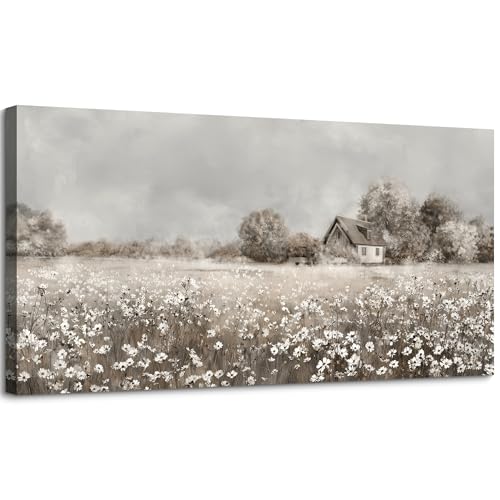
Rustic Farmhouse: White wildflowers carpet the fields leading to a quaint cottage, and mist-shrouded trees under a soft, hazy sky create a serene and timeless scene

Works on virtually any surface including wood, plastic, metal, fiberglass, concrete, wicker, vinyl and more
Prerequisites/Materials Needed
Editor’s Choice

JimKing Creative Color Wheel, Paint Mixing Learning Guide, Art Class Tea…
Bates- Paint Roller Kit, 19 pcs, Roller Set with Microfiber Sleeves & Fr…

BOLDIFY Hairline Powder Color Sample Kit – Water-Resistant Root Touch Up…
Skill Level & Time Estimate
Skill Level: beginner
Total time estimate: 2-3 hours
Breakdown:
- Choosing colors: 30 minutes
- Testing samples: 1 hour
- Finalizing selections: 30 minutes
- Painting: 1-2 hours
Recommended Products

Product Size: the package includes 1 roll of peel and stick chair rail panel molding, measuring about 9.84 ft x 2.2 inches/ 3 meter x 5.59 cm, which provides you with adequate length to cover large areas; Additionally, its width will well define edge to most applications, enhancing your home decor with minimal effort

【Paint & Primer in One】 Skip sanding, priming, and top coats—perfect finish in one step.
Skill Level & Time Estimate
Editor’s Choice

Soucolor Acrylic Paint Brushes Set, Easter Basket Stuffers, 20Pcs Round …

4 Rolls Premium Painters Tape, Blue Tape, Masking Tape, Paint Tape for M…

20 Sheets Painters Color Diary for 480 Colors Loose Leaf Color Swatch No…
Step 1: Identify Your Farmhouse Style
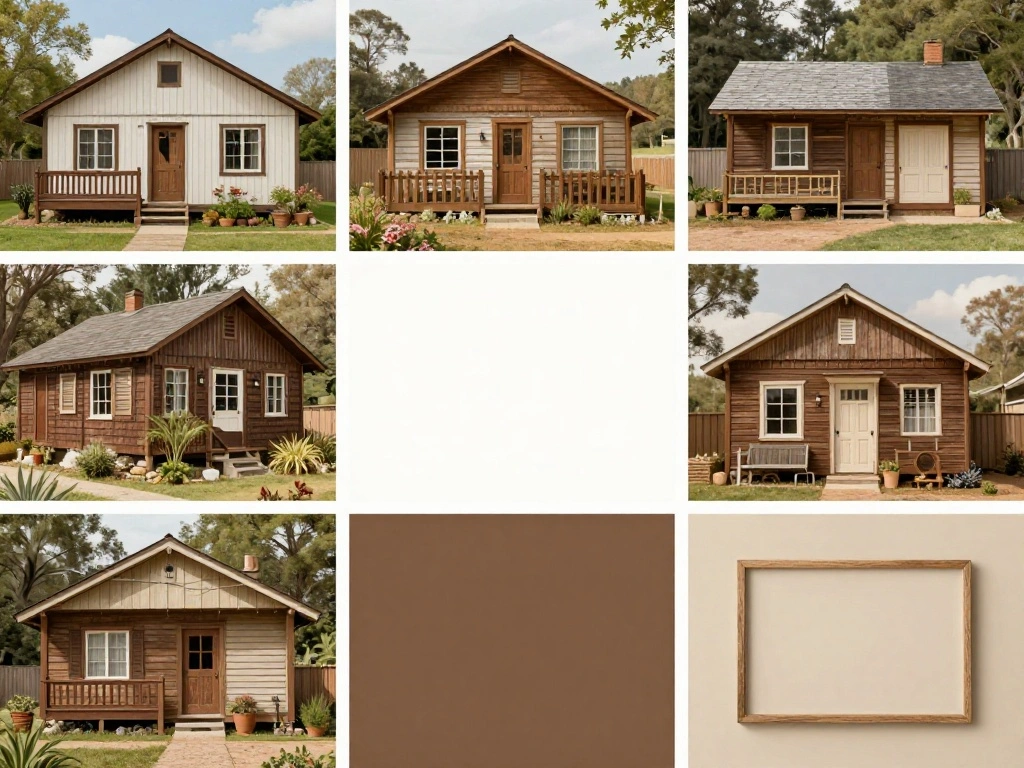
Before you choose colors, it’s essential to identify the specific farmhouse style you want to achieve. Farmhouse styles can range from modern to traditional, each with its unique color palette.
- Research different farmhouse styles (e.g., modern, rustic, industrial).
- Take notes on color palettes commonly used in these styles.
- Decide which style resonates with you the most.
Why this matters: Knowing your style helps narrow down your color options, ensuring a cohesive look.
Pro Tip: Use Pinterest or design blogs for inspiration!
Time Estimate: 30 minutes.
Recommended Products

This package include one Creative Color Mixing Board with one regular Color Wheel (9.25 inch).
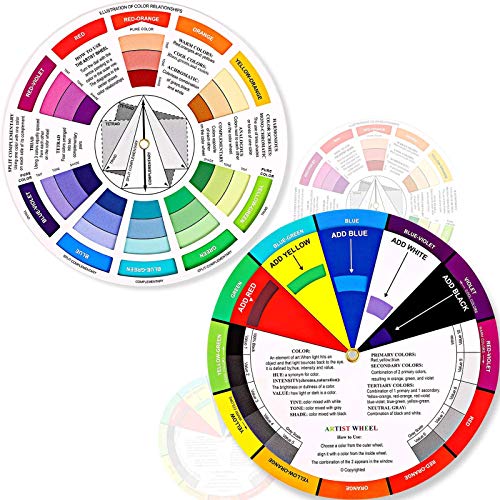
Package include: 2 creative color wheel, 5.5 inch in diameter, the artist wheel helps show which colors are complimentary, and how they go (or don't go) together, suitable for learning how to color; Two identical color wheels, with different designs on the front and back

Ideal for wheels made of aluminum and steel or plastic hubcaps for a durable finish
Step 1: Identify Your Farmhouse Style
Editor’s Choice


Color Planning for Interiors: An Integrated Approach to Color in Designe…

4 All Seasons Personal Color Analysis Draping Kit, Thick Laminated Coate…
Step 2: Choose a Base Color
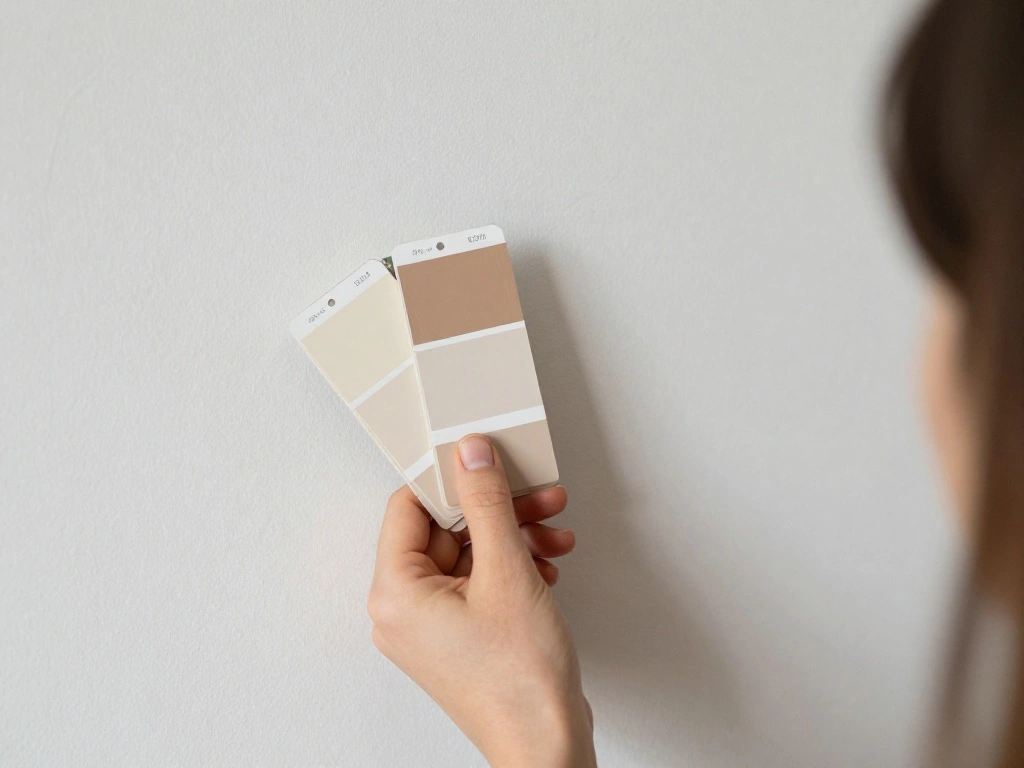
Your base color will set the tone for the entire room. Consider light, neutral colors for a classic farmhouse feel or bolder hues for a modern twist.
- Look at the samples you gathered.
- Hold them against your trim options to see how they interact.
- Select a base color that complements your trim and feels right in the space.
Why this matters: The base color influences the room’s mood and how other colors will be perceived.
Warning: Avoid overly dark colors if your room lacks natural light, as this can make it feel cramped.
Time Estimate: 30 minutes.
Recommended Products

Use for a variety of indoor and outdoor project surfaces including wood, metal, plaster, masonry or unglazed ceramic

Easy Renovation: Our innovative bottle with a built-in brush makes your renovation projects a breeze. No need to hire professionals, as anyone can use this fast-drying, DIY-friendly product

Works on virtually any surface including wood, plastic, metal, fiberglass, concrete, wicker, vinyl and more
Step 2: Choose a Base Color
Editor’s Choice

Color Fidget Wheel Keychain, 20 Hues Color Fidget Enamel with Interactiv…

Acrylic Paint Brush Set, 1 Packs / 10 pcs Watercolor Brushes Painting Br…

Shuttle Art 58 Pack Painting Kit for Adults and Couples, Sip and Paint K…
Step 3: Select Trim Colors
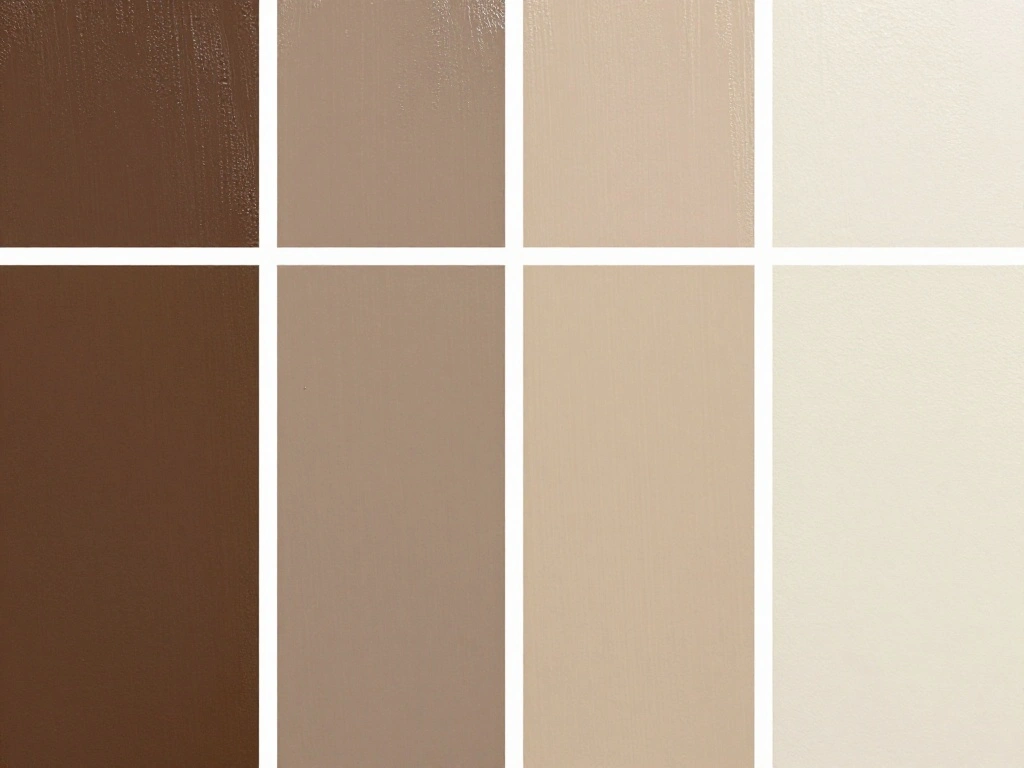
Trim colors play a crucial role in farmhouse style, often contrasting with wall colors to create visual interest.
- Choose a trim color that complements your base color; white is a classic choice.
- Consider using a darker shade for a more dramatic effect.
- Test the trim color alongside your base color to see how they work together.
Why this matters: The right trim color enhances architectural features and adds depth to your design.
Pro Tip: For a vintage feel, consider off-whites or muted colors.
Time Estimate: 30 minutes.
Recommended Products

12 Vibrant Colors in One Set – Match Any Décor Effortlessly:Say goodbye to mismatched switches! This 12-in-1 panel set includes every trendy shade, from matte black to pastel pink, so you can color-coordinate each room or create fun accent walls. Ideal for home renovation, rental upgrades, or kids’ rooms.
Rustic Farmhouse: White wildflowers carpet the fields leading to a quaint cottage, and mist-shrouded trees under a soft, hazy sky create a serene and timeless scene
Rustic Farmhouse: White wildflowers carpet the fields leading to a quaint cottage, and mist-shrouded trees under a soft, hazy sky create a serene and timeless scene
Step 3: Select Trim Colors
Editor’s Choice
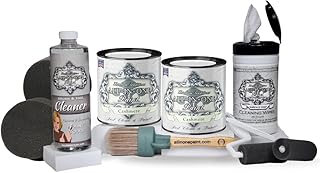
ALL-IN-ONE Paint by Heirloom Traditions, 2 Quart Cabinet Paint Bundle an…
4 Rolls Premium Painters Tape, Blue Tape, Masking Tape, Paint Tape for M…
Step 4: Test Color Combinations
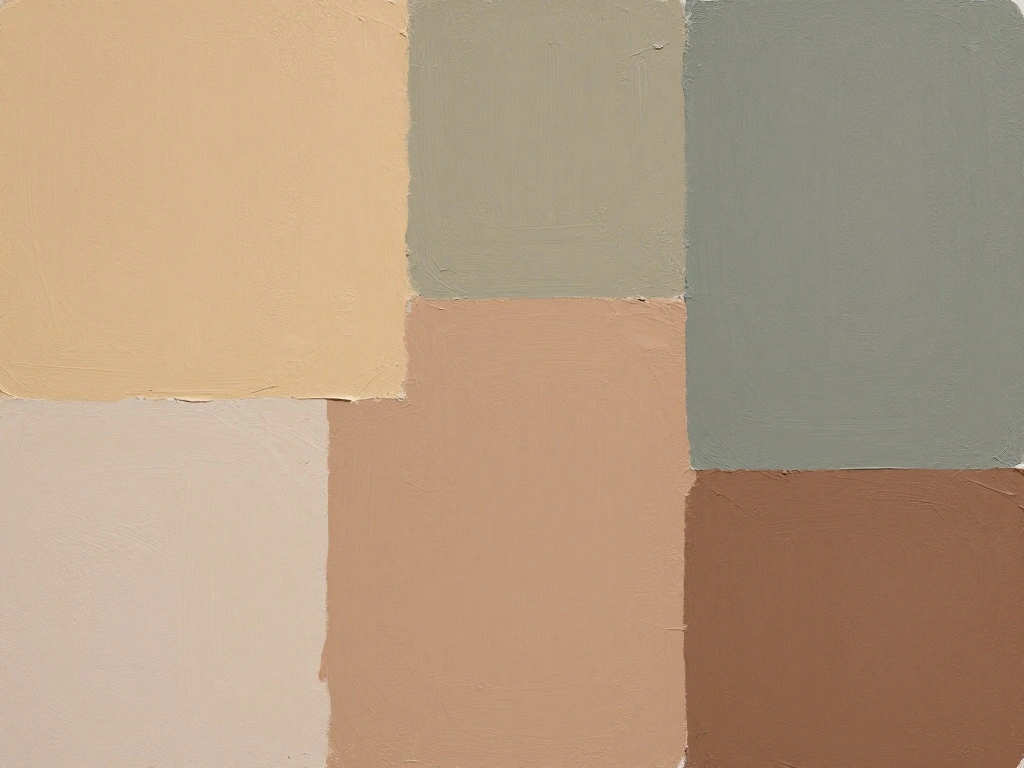
Testing colors in your space is essential to ensure they look good together under different lighting conditions.
- Apply samples of your chosen base and trim colors on the wall in patches.
- Observe the colors at different times of day to see how they change.
- Take notes on which combinations you like best.
Why this matters: Colors can appear differently in various lighting, so testing helps avoid costly mistakes.
Warning: Don’t skip this step; what looks good in-store may not look the same at home.
Time Estimate: 1 hour.
Recommended Products

Material - These folding hand fans are made of fabric with lace decoration and lace trim, metal U ring, and hollow carved plastic staves.

Stylish and Modern: The tendy slat design combined with various wood finishes update interior decor in a big way

【Perfect Size – Flexible Coverage for Multiple Surfaces】9.8ft length with 0.4" width and 0.1" thickness, designed for versatile use on walls, tiles, mirrors, windows, and furniture edges. Ideal for accent walls, backsplash edging, baseboards, and DIY molding projects.
Step 4: Test Color Combinations
Editor’s Choice

Portable Color Temperature Lamp Stick, Professional Light Wand Photograp…
20 Sheets Painters Color Diary for 480 Colors Loose Leaf Color Swatch No…

Step 5: Finalize Your Color Choices

Once you’ve tested your colors and settled on combinations you love, it’s time to finalize your selections.
- Review your notes and decide on the final colors for walls and trim.
- Purchase the necessary amounts of paint for your project.
- Ensure you have all needed supplies ready for painting.
Why this matters: Finalizing your choices ensures a clear plan moving forward and avoids last-minute changes.
Pro Tip: Buy a little extra paint for touch-ups later.
Time Estimate: 30 minutes.
Recommended Products

AUTOMOTIVE SPRAY PAINT – Dupli-Color Wheel Spray Paint, a fast-drying wheel paint, is highly durable with superior adhesion to steel, aluminum, and plastic wheels and wheel coverings.

Brilliant Finish: Our Wheel Paint delivers a stunning, glossy finish that will make your wheels stand out wherever you go.

Package Include: you will receive 4 pieces of color wheels in 2 sizes, measuring about 5.5 inches and 9 inches in diameter, the artist wheels help show which colors are complimentary, and how they go (or do not go) together, ideal for learning how to color
Step 5: Finalize Your Color Choices
Editor’s Choice

KEVIN&SASA CRAFTS Painting Apron for Men and Women, Professional for Acr…

Ddaowanx Gel Pens, 6 Pcs 0.5mm Quick Dry Black Ink Pens Fine Point Smoot…

Zellina Diamond Art Painting Pen Kit for Adults, Vacuum Diamond Art Pain…
Step 6: Prepare the Room for Painting
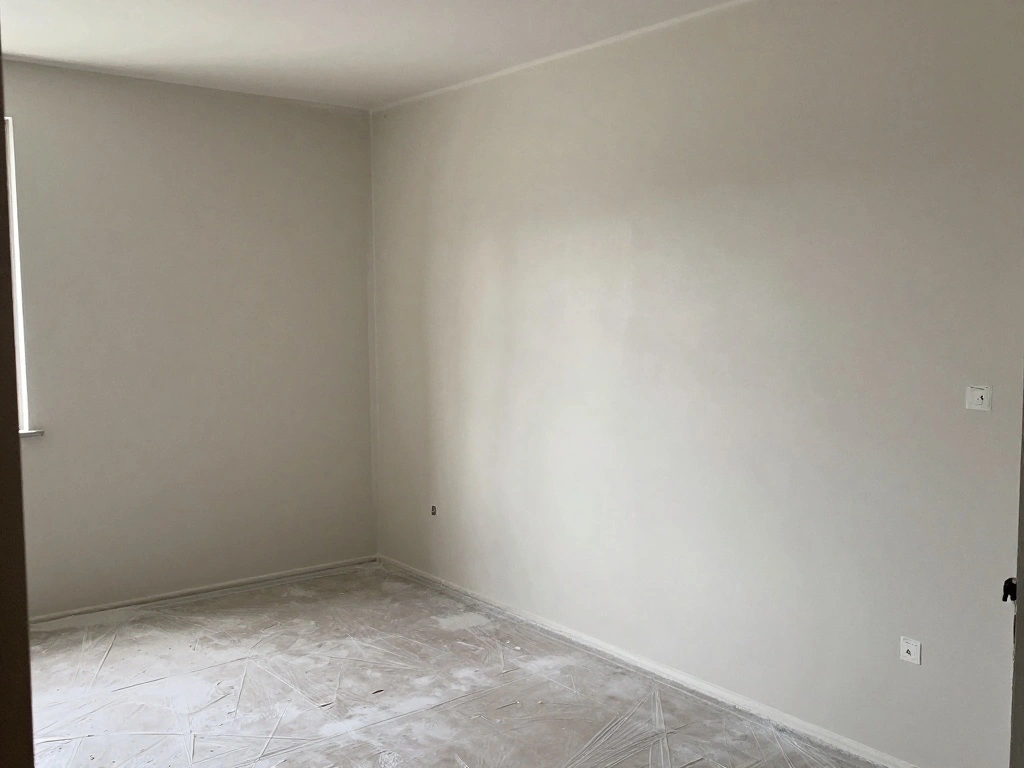
Preparation is key to achieving a professional finish when painting your walls and trim.
- Move furniture away from the walls and cover it with drop cloths.
- Remove any wall decorations and fixtures.
- Clean the walls to ensure the paint adheres well.
Why this matters: Proper preparation prevents mess and ensures a smooth painting process.
Warning: Skip this step at your own peril; a messy job leads to poor results.
Time Estimate: 30 minutes.
Recommended Products

UNIQUE TALL VASE: Elevate your tabletop decor with our unique vase. Display it alone as a rustic vase accent in the living room or dining room, or use it as a decorative flower vase to elevate any ordinary home-decor aesthetic.
Use for a variety of indoor and outdoor project surfaces including wood, metal, plaster, masonry or unglazed ceramic
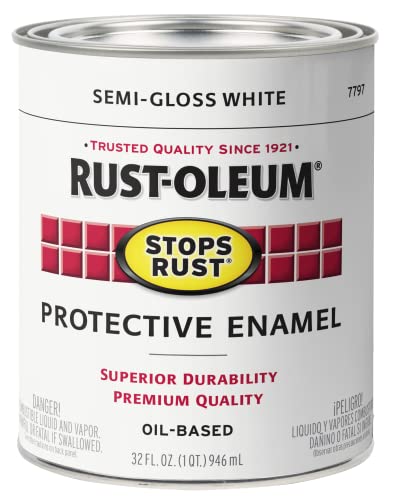
Weather and corrosion resistant coating protects exterior/interior surfaces like wood, metal, concrete, masonry and more
Step 6: Prepare the Room for Painting
Editor’s Choice

12 x 9 Ft Plastic Drop Cloths (6-Pack) – Disposable Painter’s Sheeting &…

Max Strip Painter’s Prep | 22 oz | Pre-Painting and Refinishing Surface …
4 Rolls Premium Painters Tape, Blue Tape, Masking Tape, Paint Tape for M…
Step 7: Paint the Walls
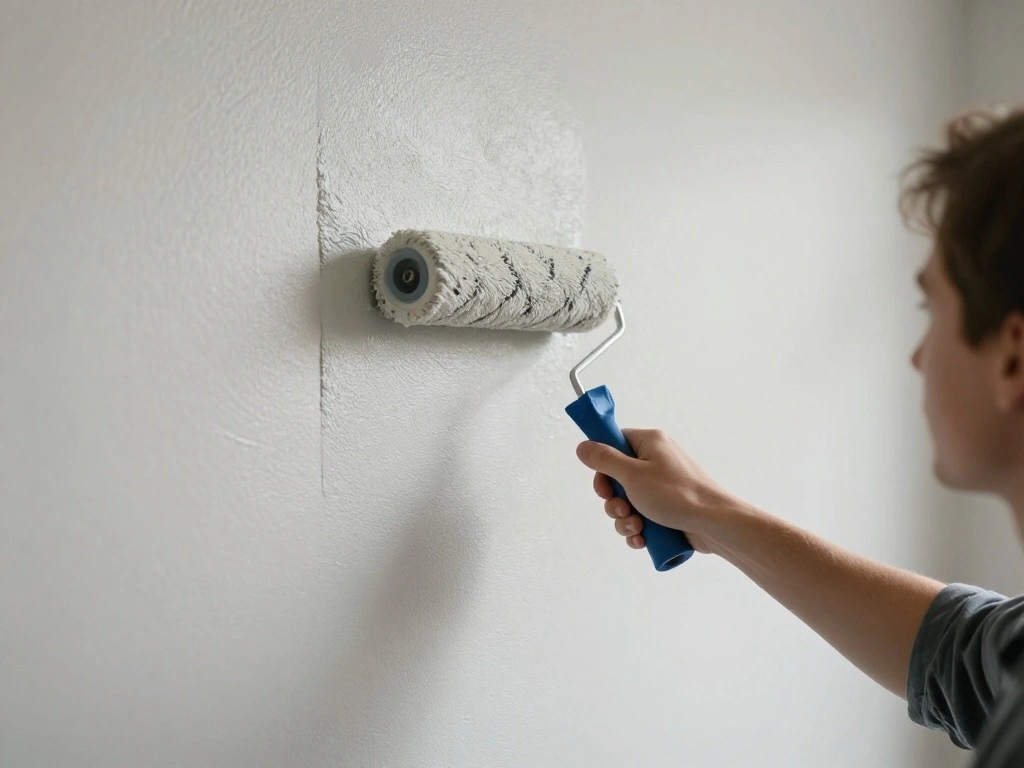
Now it’s time to bring your color choices to life by painting the walls.
- Use masking tape to protect edges where walls meet trim.
- Start with a brush for edges and corners, then use a roller for larger areas.
- Apply a second coat if necessary after the first coat dries.
Why this matters: Painting with care ensures an even finish and keeps your lines clean.
Pro Tip: Use a paint extender in your paint to improve flow and reduce brush marks.
Time Estimate: 1-2 hours.
Recommended Products

12 Vibrant Colors in One Set – Match Any Décor Effortlessly:Say goodbye to mismatched switches! This 12-in-1 panel set includes every trendy shade, from matte black to pastel pink, so you can color-coordinate each room or create fun accent walls. Ideal for home renovation, rental upgrades, or kids’ rooms.

12 Vibrant Colors in One Set – Match Any Décor Effortlessly:Say goodbye to mismatched switches! This 12-in-1 panel set includes every trendy shade, from matte black to pastel pink, so you can color-coordinate each room or create fun accent walls. Ideal for home renovation, rental upgrades, or kids’ rooms.

12 Vibrant Colors in One Set – Match Any Décor Effortlessly:Say goodbye to mismatched switches! This 12-in-1 panel set includes every trendy shade, from matte black to pastel pink, so you can color-coordinate each room or create fun accent walls. Ideal for home renovation, rental upgrades, or kids’ rooms.
Step 7: Paint the Walls
Editor’s Choice

7″DIY Patterned Paint Roller | Decorative Art Texture Roller | Embossing…
4 Rolls Premium Painters Tape, Blue Tape, Masking Tape, Paint Tape for M…

Liquitex Professional Fluid Medium, 118ml (4-oz), Slow-Dri Blending
Step 8: Paint the Trim
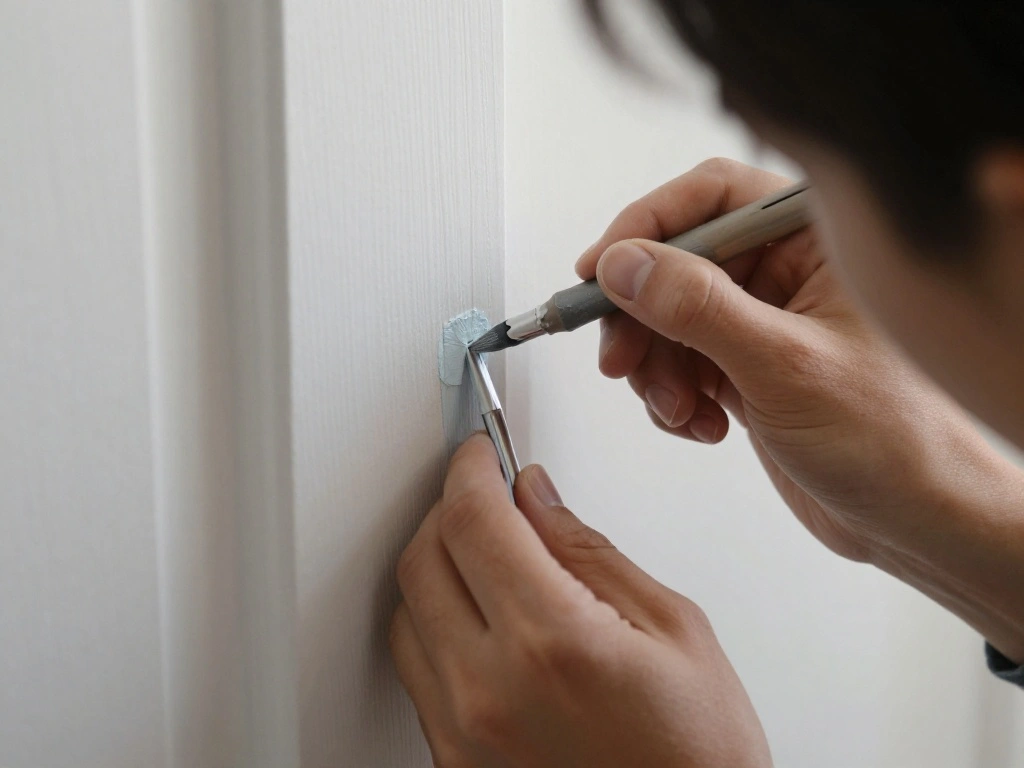
After the walls are painted, it’s time to focus on the trim.
- Ensure the wall paint is completely dry before starting.
- Use a clean brush to carefully apply your trim color along the edges.
- Consider using a small brush for detailed areas for a neat finish.
Why this matters: Painting the trim with precision adds a professional touch to your project.
Warning: Avoid rushing this step; take your time for the best results.
Time Estimate: 1 hour.
Step 8: Paint the Trim
Editor’s Choice

3 Pack Pink Painters Tape – Masking Tape 1 Inch Wide – Multi-Surface, Sm…

Mister Rui Mini Paint Roller Kit-13 Piece, 4-Inch Microfiber Paint Rolle…

Nicpro 30pcs Paint Brush Set, Aesthetic Pastel Paintbrushes with Paint S…
Step 9: Clean Up the Workspace
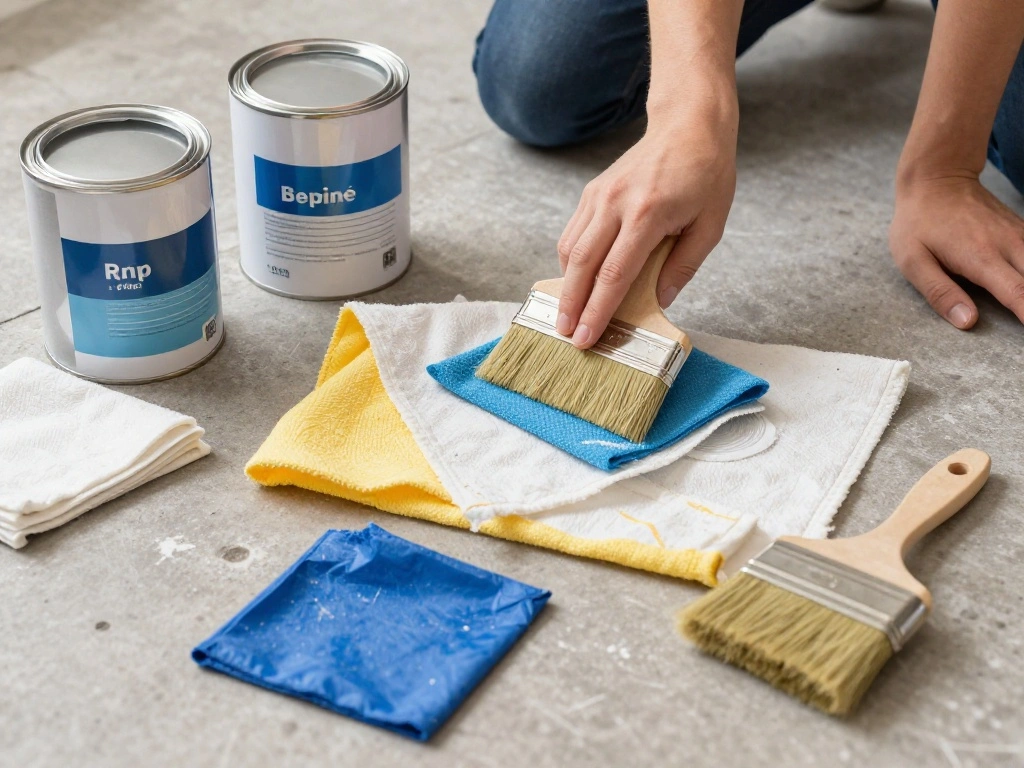
After painting, it’s crucial to clean up your workspace properly.
- Remove masking tape slowly to avoid peeling paint.
- Clean brushes and rollers according to paint instructions.
- Dispose of any used materials responsibly.
Why this matters: A clean space not only looks better but also prepares you for future projects.
Pro Tip: Keep leftover paint for touch-ups down the line.
Time Estimate: 30 minutes.
Step 9: Clean Up the Workspace
Editor’s Choice

ScotchBlue Painters Tape Applicator, Applies Painter’s Tape in One Conti…

Krud Kutter Brush-Wash Cleaner and Renewer, 32 oz, Paint Brush Cleaner f…
Step 10: Enjoy Your New Farmhouse Look
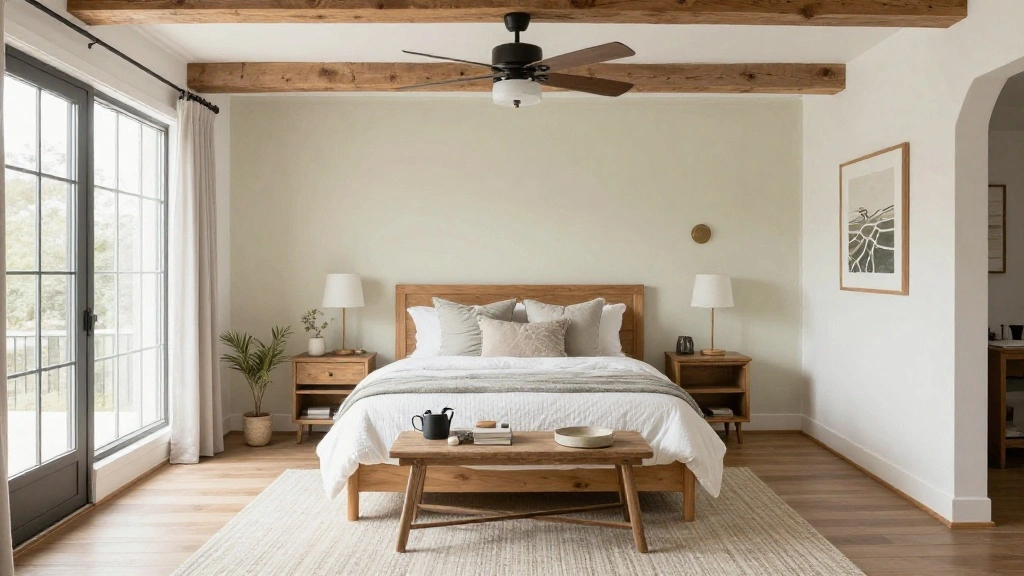
You’ve completed your painting project! Now, take a moment to enjoy the transformation.
- Rearrange your furniture and hang wall decorations back in place.
- Consider adding farmhouse decor elements like wooden accents or vintage pieces.
- Invite friends and family to experience your newly styled space.
Why this matters: Celebrating your hard work adds to the satisfaction of your effort.
Pro Tip: Take photos to document your stunning transformation!
Time Estimate: 30 minutes.
Step 10: Enjoy Your New Farmhouse Look
Editor’s Choice

Wooden Sculptures Handmade Accents Craft Figurine for Home Decor Accents…

Farmhouse Rustic Inspirational Family Quote Live Laugh Love Throw Pillow…

WHASAYART Vintage Woman Flower Painting with Gold Frame Wall Art 12×16 I…
Pro Tips
- Test Lighting: Check how colors look in different lighting to ensure satisfaction.
- Consider Undertones: Pay attention to warm vs. cool undertones in your colors.
- Scale Matters: Use larger swatches to better visualize how the colors will look.
- Stay True to Your Style: Don’t feel pressured to conform; choose colors that make you happy.
- Keep a Color Journal: Document your choices and ideas for future reference.
Pro Tips
Editor’s Choice
Color Planning for Interiors: An Integrated Approach to Color in Designe…
Common Mistakes to Avoid
Warning: Don’t choose colors that clash with existing furniture or decor. This can create a disjointed look. Always consider the whole room.
Warning: Avoid using too many bold colors. Stick to 2-3 main colors to maintain a cohesive farmhouse aesthetic.
Warning: Never skip the testing phase. Colors can look different in your home than in the store. Always test before committing.
Common Mistakes to Avoid
Editor’s Choice

Mighty Board Minis Polystyrene Paint Color Test Panels, 12″ x 9″, Set of…
Troubleshooting Section
Problem: The colors look different in the room than expected.
Solution: Re-evaluate your lighting; consider changing light bulbs or using different paint finishes.
Problem: The trim color clashes with the wall.
Solution: Consider a different shade for the trim or repaint the wall if necessary.
Problem: Paint drips or uneven coverage.
Solution: Sand down the area lightly and apply another coat for a smooth finish.
Troubleshooting Section
Editor’s Choice

Pro Grade – Paint Roller Covers – 1/2 X 9 Inch Microfiber 5 Pack
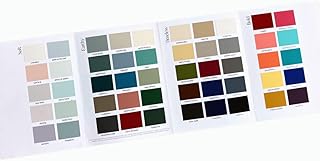
Country Chic Paint Color Card – 50 Furniture Paint Color Swatches

TJOY 24 Pack A19 LED Light Bulbs Soft Warm White 2700K, 60 Watt Equivale…
Variations/Alternative Methods
Consider using wallpaper for an accent wall instead of paint for a unique farmhouse style.
Using stencils or decals can add character without committing to permanent paint choices.
Mixing different textures (e.g., wood paneling and paint) can create depth and interest.
Variations/Alternative Methods
Editor’s Choice

YU LI 3DH Peel and Stick PVC Slat Wall Panel 236″x15.75″ Self-Adhesive T…

YEAJON 2 Inch Letter Stencils Symbol Numbers Craft Stencils, 42 Pcs Reus…
FAQs
What if I don’t have enough natural light? Choose lighter colors to brighten your space and make it feel more open.
How long should I wait between coats of paint? Typically, 2-4 hours, but always check the paint can instructions.
Is it safe to paint with children in the house? Yes, as long as you ensure proper ventilation and keep them away from the painting area.
FAQs
Editor’s Choice

1,500 Color Mixing Recipes for Oil, Acrylic & Watercolor: Achieve precis…

Professional Artist Paint Brush Set of 12 – Painting Brushes Kit for Kid…

Coloring Books for Adults with 36 Dual-Tip Markers, 30 Patterns Positive…
Conclusion
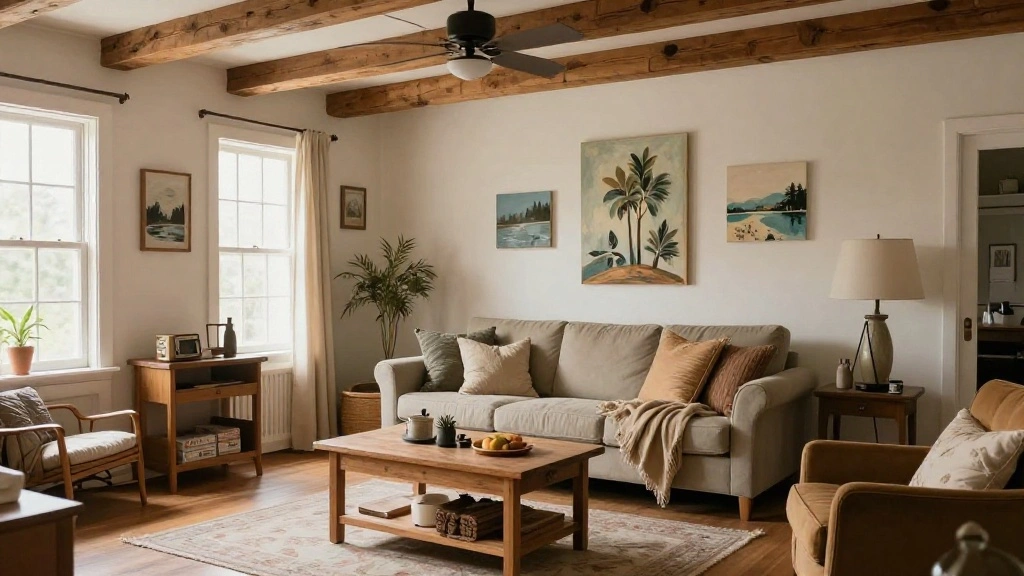
Congratulations! You’ve successfully transformed your space with beautiful trim and wall color combinations that reflect farmhouse style. With each brush stroke, you’ve created a warm and inviting atmosphere.
Now that your project is complete, consider adding personal touches with decor elements that enhance your home’s character. Share your journey with friends and family and inspire others to create their own farmhouse haven!